
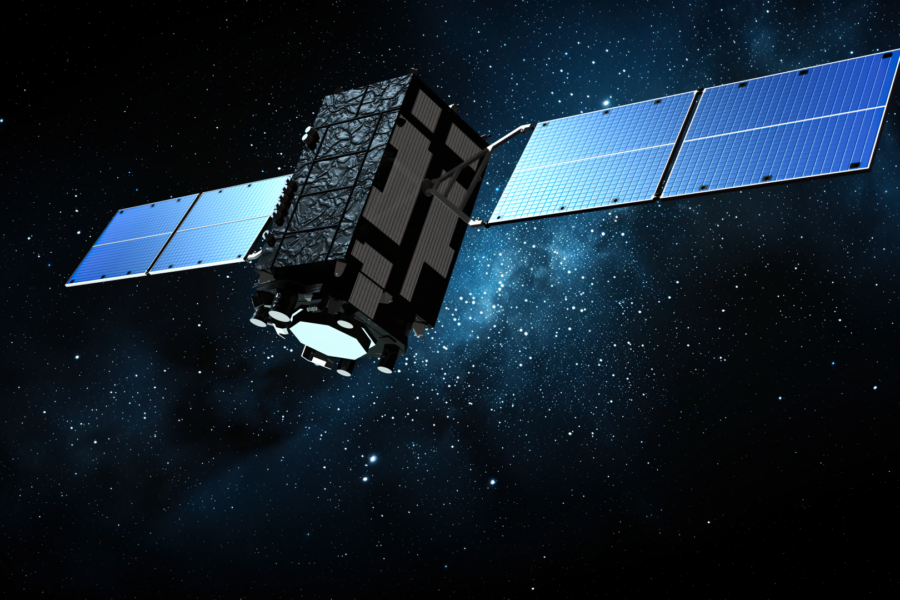
A novel program to integrate U.S. and Japanese space capabilities was “completed” last week when a Japanese navigation satellite carrying a U.S. Space Force payload launched into orbit, the service said.
The Aug. 10 launch took place aboard a Japanese H3 rocket from Tanegashima Space Center on an island in southern Japan. The QZS-7 satellite will be operated by Japan and augment the GPS constellation in the Pacific region. Its U.S.-hosted payload will provide “near real-time data” on geosynchronous orbits above the Pacific, according to a Space Force release.
This is the second USSF payload to be hosted on a satellite in Japan’s Quasi-Zenith Satellite System, following the first’s launch in February 2025. Both hosted payloads will be operated by the Space Force’s Mission Delta 2, which is responsible for space domain awareness.
The hosted payload program “is a key contributor to help us meet the threat of peer adversaries in space and build towards resilient capabilities to detect, understand, and maintain custody of objects in deep space,” Col. Gina Peterson, deputy commander of Mission Delta 2, said in a statement.
The plan to put these payloads on the QZSS satellites dates back to December 2020, when the Space Force and Japan’s Office of National Space Policy signed a memorandum of understanding. In the six years since, Space Force leaders have stressed the need for more space domain awareness to keep track of the increasingly congested and threatening domain. The People’s Republic of China has launched hundreds of satellites during that time and even practiced “dogfighting” with them, USSF officials have said.
Against that backdrop, officials hailed the latest launch as not only a boost to the Pentagon’s Space Surveillance Network but also an important way to build the U.S.’s space ties with a key ally.
“From design through launch, this milestone reflects years of collaboration that strengthen our resilience, enhance interoperability, and reinforce the alliance’s ability to deliver operational advantage across our combined and joint forces,” Brig. Gen. Brian Denaro, commander of U.S. Space Forces Pacific, said in a statement. “Partnerships like this don’t simply produce new capabilities, they build the trust, integration, and readiness that strengthen deterrence, reinforce our collective security, and preserve freedom of action in, from, and to space.”
Japan is not the only U.S. ally to operate a satellite with an American military payload. Two satellites procured by Space Norway launched with USSF payloads for Arctic communications in August 2024.