
The 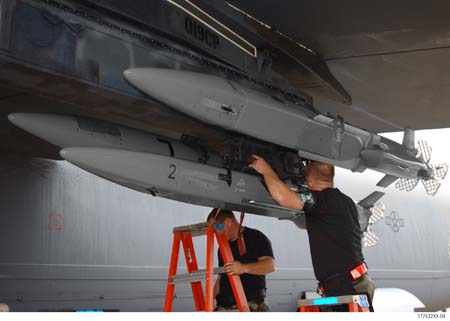 Air Force “isn’t quite ready to fight” in the emerging electronically saturated battlespace, but “we’re getting there,” said Col. Joseph Skaja, chief of Air Combat Command’s combat enabler division that supervises electronic warfare and directed energy. Speaking at a Lexington Institute-sponsored seminar on electronic attack on Capitol Hill Thursday, Skaja said the Air Force, grappling with funding shortfalls, is “trying to transform while at the same time utilizing and upgrading the [electronic warfare] systems we already have.” The ones already on hand are expensive to maintain, and the service will have to divest some that are needed, but have gotten too costly to keep, he said. He noted that USAF is having to “sustain aging systems using dated methods to maintain critical capabilities.” From Fiscal 2008 to Fiscal 2013, the Air Force is projected to spend “almost $3 billion to sustain over 30 EW systems,” said Skaja. “B-52 systems alone will account for $884 million of that and the F-15 will soak up a further $603 million,” he said. Skaja said EW’s effects are hard to quantify, but it’s essential to communicate them “to senior leadership” so funding isn’t diverted from this critical enterprise.
The Air Force has embraced new technical approaches like open mission systems and rapid software updates for cutting-edge aircraft like the B-21 and Collaborative Combat Aircraft. Increasingly, though, the service is also working to apply these to its older, “legacy” aircraft, officials said this week.