Verbatim. Air Force Magazine. Cornelia Schneider-Frank/Pixabay
Photo Caption & Credits
Verbatim
June 18, 2026
Share Article
Audio of this article is brought to you by the Air & Space Forces Association, honoring and supporting our Airmen, Guardians, and their families. Find out more at afa.org
Verbatim – May/June 2026
A Heroes Toast
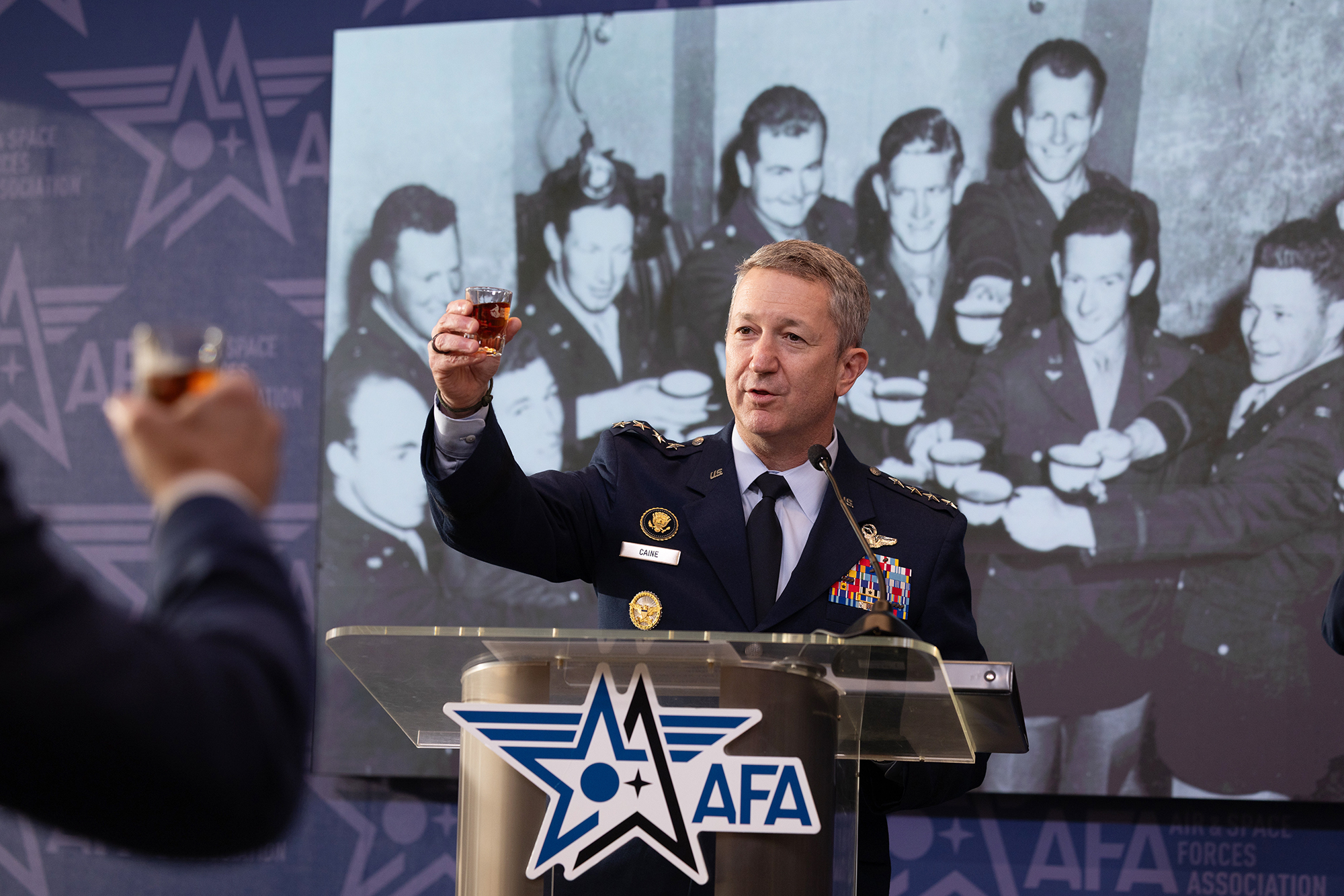
“These 80 young Americans were extraordinary in every single way—not just on the day of that operation but on the lives they led after that. In 1942, when this … creative operation was conceived it showed the beginnings of the culture of what became the American Air Force. Let’s launch airplanes off of an aircraft carrier that are designed to run off thousands of feet of runway. … They found the most creative Airman of that day, Jimmy Doolittle, and [he] found volunteers. These guys new the odds. Even in training they knew how difficult this was going to be. They never practiced landing on the boat, they only practiced launching from the boat. … They flew toward the enemy. … The audacity of those Doolittle Raiders changed the momentum and the course of history. They proved that if you have the guts to try, great things can be done by the United States of America.”
Chairman of the Joint Chiefs of Staff Gen. Dan Caine
Before leading the annual Raiders Memorial Toast, April 17, 2026, at AFA Headquarters
Communication Layers
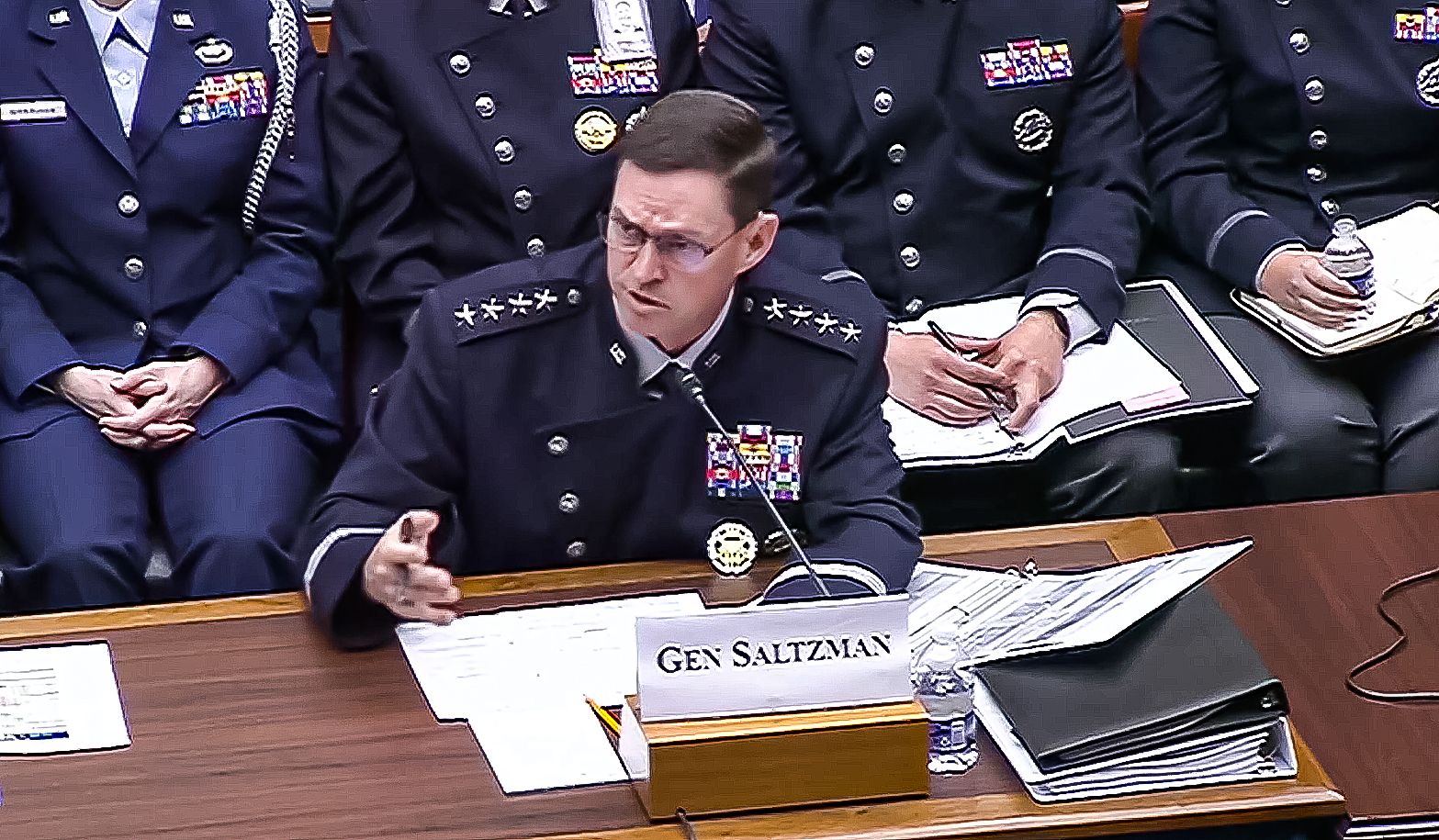
“Cyber is critical. It’s indistinguishable from space operations. If you can’t control the networks that distribute the data, you can’t do the space missions, so we take it very seriously. … If you’re vulnerable in the network, you’re vulnerable on orbit as well.”
Chief of Space Operations Gen. B. Chance Saltzman
On the importance of cyber during a May 20 House Armed Services Committee hearing
Right This Way
“The way I’ve approached this—knowing how smaller companies work—is fast yeses and fast nos. The worst thing for a small company is to be dragged through a multiyear process. … They knock on 100 doors, and at the end of it, there’s no buyer, right? … How do I create one big front door that they could come in?”
Defense Department Chief Technology Officer Emil Michael
Speaking at the Special Operations Forces panel on lethal AI & autonomous systems in Tampa [Breaking Defense, May 20]
Balancing Act
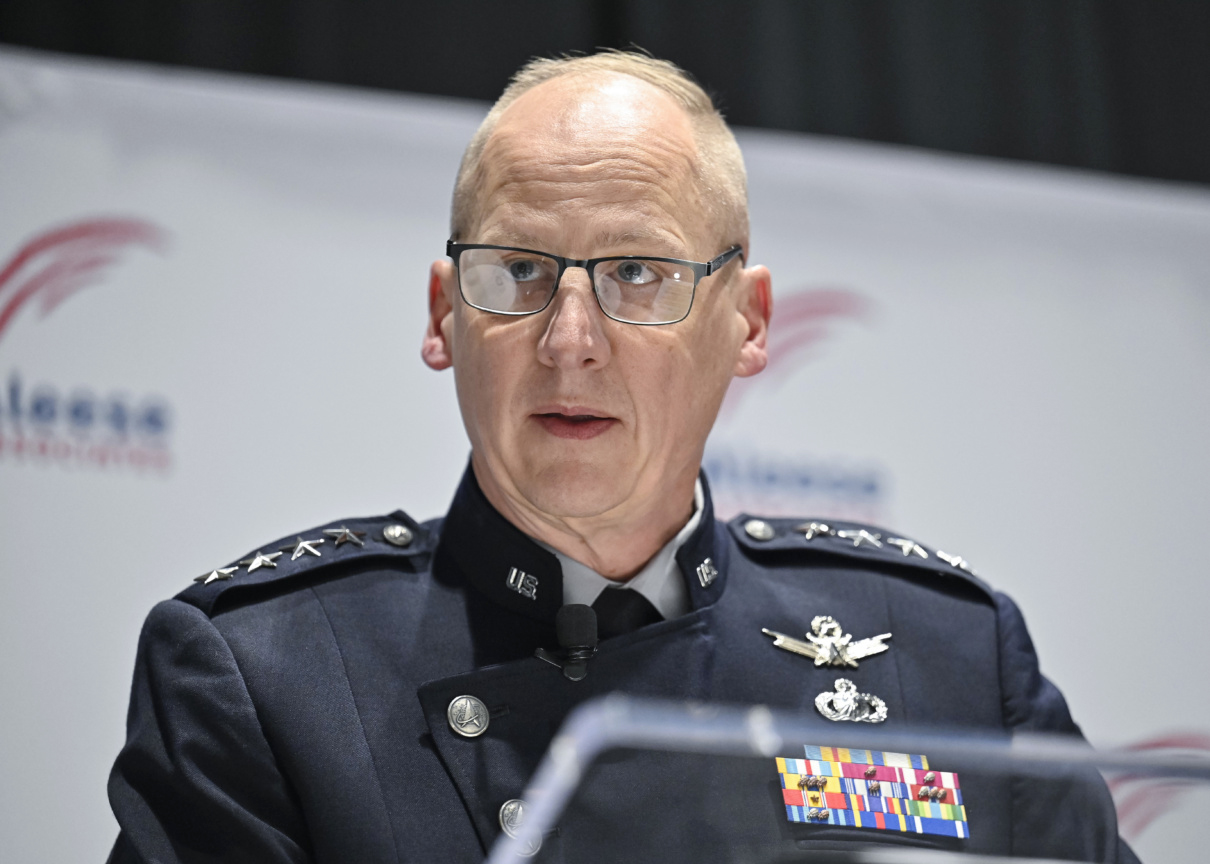
“If it’s not affordable and it’s not scalable, we are not going to produce it. That’s a signal to industry that you need to simplify the solution. You need to think innovatively about the requirements.”
Golden Dome Director Gen. Michael Guetlein
Discussing how the program is balancing cost and capability during a May 14 event in Washington, D.C.
U.S. Forces in Europe — Two Views
No Surprise…
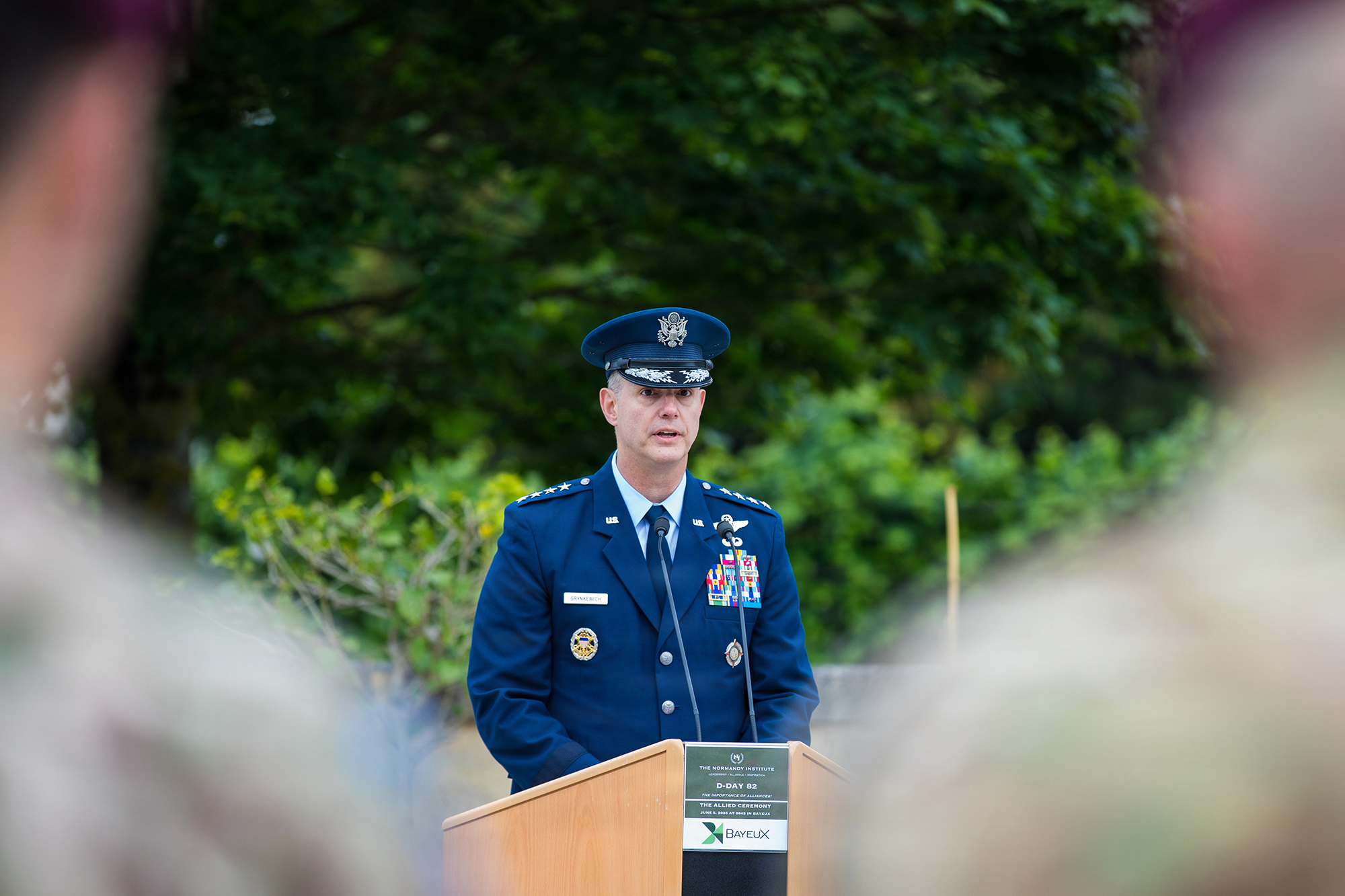
“As the European pillar of the alliance gets stronger, this allows the U.S. to reduce its presence in Europe and limit itself to providing only those critical capabilities that allies cannot yet provide. So we should expect there to be a redeployment of U.S. forces over time as allies build their capacity.”
Supreme Allied Commander Europe and Air Force Gen. Alexus Grynkewich
Explaining the U.S. administration’s reasoning behind U.S. troop withdrawals from Europe
…Not So Fast
“We are very concerned by the decision to withdraw a U.S. brigade from Germany. … Even as allies move toward spending 5 percent of GDP on defense, translating that investment into the military capability … will take time. Prematurely reducing America’s forward presence in Europe before those capabilities are fully realized risks undermining deterrence and sending the wrong signal to Vladimir Putin.”
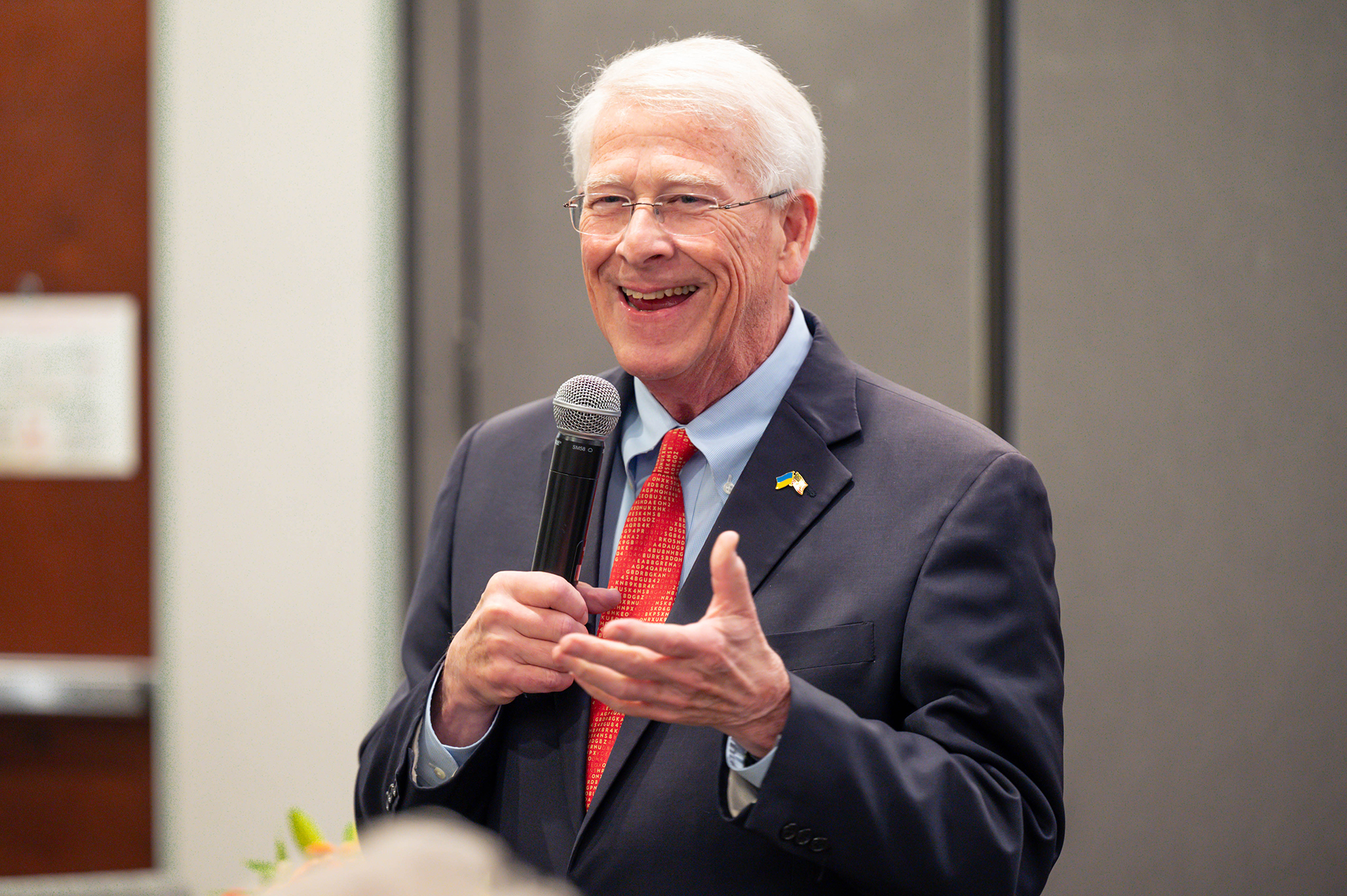
U.S. Senator Roger Wicker (R-Miss.) and U.S. Representative Mike Rogers (R-Ala.)
Chairmen of the Senate and House Armed Services Committees, in a joint response to the Pentagon’s decision to withdraw approximately 5,000 troops from Germany
Unpredictability
“At the end of the day, the foundations upon which we go to war, upon which we use violence, are based upon the Law of Armed Conflict. That is the commander, the person, the human that decides to use lethal violence has to have trust and confidence that that lethal violence will be delivered in the confines of the Law of Armed Conflict, with distinction, proportionately and in the bounds of humanity. … Machines can’t be held accountable.”
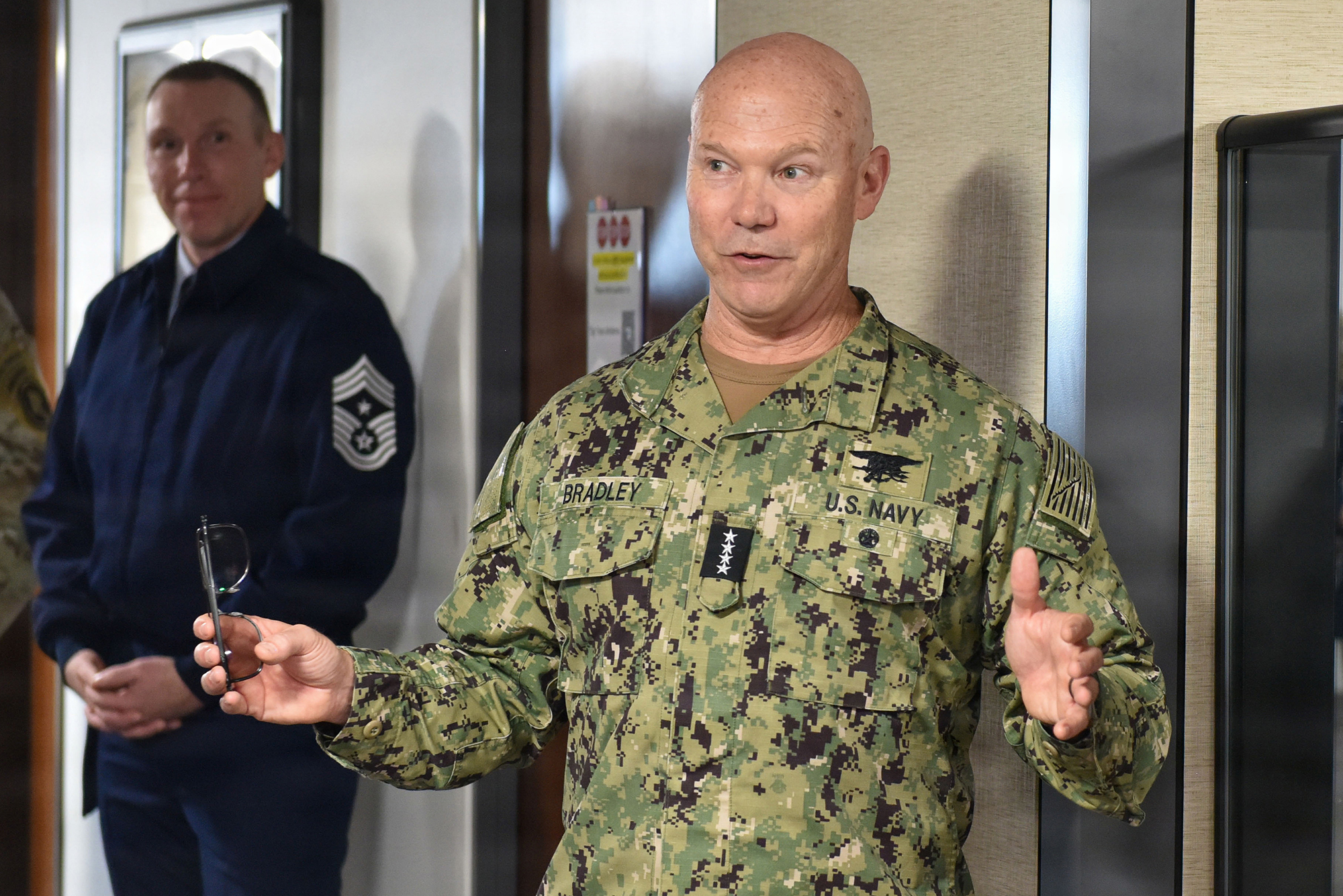
Navy Adm. Frank Bradley, commander of USSOCOM
On the reality of using AI on the battlefield, stating that humans must be in the loop [Breaking Defense, May 21]
Audio of this article is brought to you by the Air & Space Forces Association, honoring and supporting our Airmen, Guardians, and their families. Find out more at afa.org
The Pentagon has concluded a new agreement to buy laser-guidance kits that turn rockets into drone-killing weapons. BAE Systems and the Defense Department announced a framework deal of up to seven years for 25,000 Advanced Precision Kill Weapon System guidance kits annually for the U.S. military.
The Pentagon and Lockheed Martin on Oct. 22 announced a framework agreement to buy F-35 Joint Strike Fighters for the next 10 years. But the deal, touted by the Pentagon as “landmark” and a first of its kind, depends on Congress granting the military authority to enter into such a…
Michael Wynne, the 21st Secretary of the Air Force died Oct. 17. He was 82 years old. Wynne was Secretary from 2005 to 2008, a stretch of time when the U.S. military was struggling to quell insurgencies in Iraq and Afghanistan and the Army was struggling to simultaneously man occupation…
A historic Lockheed F-117 Nighthawk is now on permanent display at the National Air and Space Museum’s Stephen F. Udvar-Hazy Center. The exhibit debuted Oct. 21, showcasing the first operational stealth aircraft at one of the most visited aircraft museums in the world.
Secretary of Defense Pete Hegseth has directed the Air Force to establish a new Special Tactics Squadron under the Florida Air National Guard, growing a small but elite group of special operators.
At least two KC-135 Stratotankers that were seriously damaged during Operation Epic Fury are still undergoing extensive maintenance depot repairs, the head of Air Force Materiel Command said Oct. 21.
As the Air Force wrestles to solve the logistics of dispersed operations in the vast Indo-Pacific, it’s investing $3.5 million to help develop a new kind of aircraft: a blended-wing body freighter that’s smaller than a C-130 but larger than a Cessna for “sub-tactical” lift.
Looking to make a quick start on Defense Secretary Pete Hegseth’s sweeping “FORTRESS America” program to make every military base in the U.S. more self sufficient, the Pentagon is dialing up its efforts in an area the Air Force has been working for several years: energy resilience and independence.
Secretary of Defense Pete Hegseth took his Arsenal of Freedom tour to the swing states of Ohio and Wisconsin on Oct. 20, highlighting efforts to boost defense manufacturing before the midterm elections next month, including by visiting future E-4C "Doomsday" planes.
✓
Thank You!
Check your inbox to verify your email address and finish setting up your AFA account.
★
Welcome Back!
An account with this email already exists. Please log in to continue.
Subscribe to the Air & Space Forces Daily Report
The latest news from Air & Space Forces Magazine, as well as news from other leading publications, delivered right to your inbox every morning!
We’re sorry, there has been an error. Please review your input or try again later.