
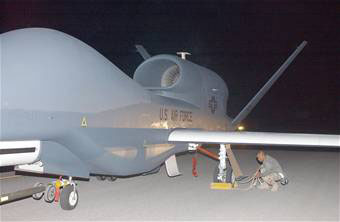
 The vice chairman’s remarks reflected the Rumsfeld Pentagon’s well-known antipathy for tactical fighters and enthusiasm for long-range systems, especially if the latter don’t require onboard pilots. A big thrust of the QDR, he said, entails “orienting joint air capabilities to favor increased range and persistence, larger and more flexible payloads for surveillance or strike, and the ability to penetrate and sustain operations in denied areas.” All of those words add up to unmanned combat air systems. This mindset is one reason that the F-22 and F-35 fighters have hit such headwinds in the Pentagon.
The U.S. military conducted strikes on Iranian targets around the Strait of Hormuz on May 7, as the conflict with Iran flared up again—though officials say the ceasefire remains in effect.