


The Air Fo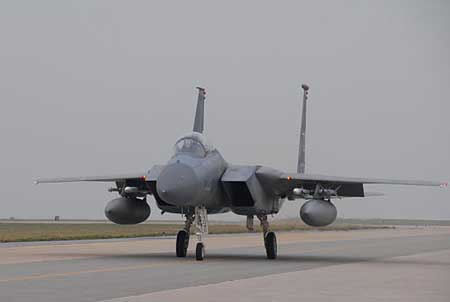 rce has given the go-ahead for 19 additional F-15 A-D models to resume flying operations, bringing the total number of Eagles that have been inspected and returned to flight status to 278, Air Combat Command announced on Jan. 23. These 19 just-cleared aircraft are from active duty and Air National Guard units at 11 mainland and overseas bases, an ACC spokesman told the Daily Report. There is also one Eagle that may be returned to duty as early as today. But otherwise this leaves 162 Eagles still grounded in the 441-aircraft F-15 A-D fleet in the wake of the Nov. 2 crash of an F-15C in which the aircraft broke apart just aft of the cockpit. USAF identified faulty longerons as the culprit. The 162 Eagles “have, no-kidding, issues” with stress fatigue, the ACC spokesman said. They will get more intensive inspections, but the command doesn’t expect to clear any more of them for duty for “quite some time,” said another ACC official. The command is still assessing whether it will repair or simply retire nine aircraft known to have cracked longerons. The sustained grounding has played havoc with pilot training, combined arms exercises, and Operation Noble Eagle air sovereignty missions. The 278 aircraft cleared to fly have no new flight restrictions placed on them since the accident, but they are now subject to a range of new, more intensive, time-consuming, and expensive inspections, on a more frequent schedule. The groundings have impacted squadrons to varying degrees with some units having many, if not most, of their aircraft still grounded.
US Space Command Should Always Be Led by a Guardian
Sept. 12, 2026
General Stephen Whiting took command of U.S. Space Command in January 2024, and if customary three-year tenures hold, his tour would end in January 2027. The question now before the President and Senate is who should follow him? Whoever they choose, it has to be a Guardian—and so should every successor…
