
The 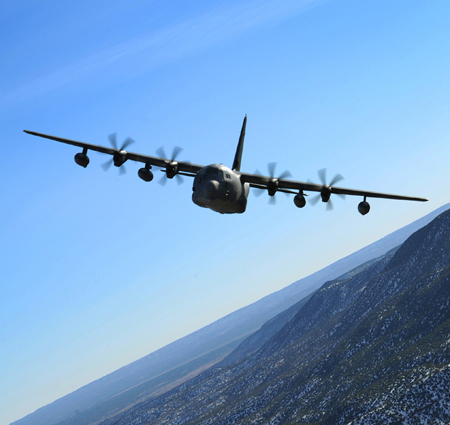 Air Force has decided not to move forward at this time with plans to conduct low-altitude flying training in parts of southern Colorado and northern New Mexico for its special operations forces, announced 27th Special Operations Wing officials at Cannon AFB, N.M. While “the need for the low-altitude training still exists,” emerging training requirements, including those based on lessons learned in Afghanistan, “now overlap with the need for the proposed low-altitude training,” states the wing’s June 5 release. As a result of this and “the many public comments received” during the draft environmental assessment of the low-altitude training proposal, service officials are now evaluating whether a more detailed environmental analysis is appropriate, according to the release. They are refining special operations flying training requirements and expect to make that determination in early 2013, states the release. Sen. Mark Udall (D-Colo.), in whose state low-altitude training would occur, welcomed the decision. “I want to ensure that pilots and crews receive the training they need to perform their combat missions, but this training plan needed to be better coordinated with local communities and other airspace users,” said Udall in a release June 6.
Seven F-22 Raptor pilots have recently been awarded one of the military’s highest decorations for their actions during operations in the Middle East. Six of the pilots were decorated with the Distinguished Flying Cross for their role in Operation Midnight Hammer, the June 2025 strikes against Iranian nuclear facilities.