
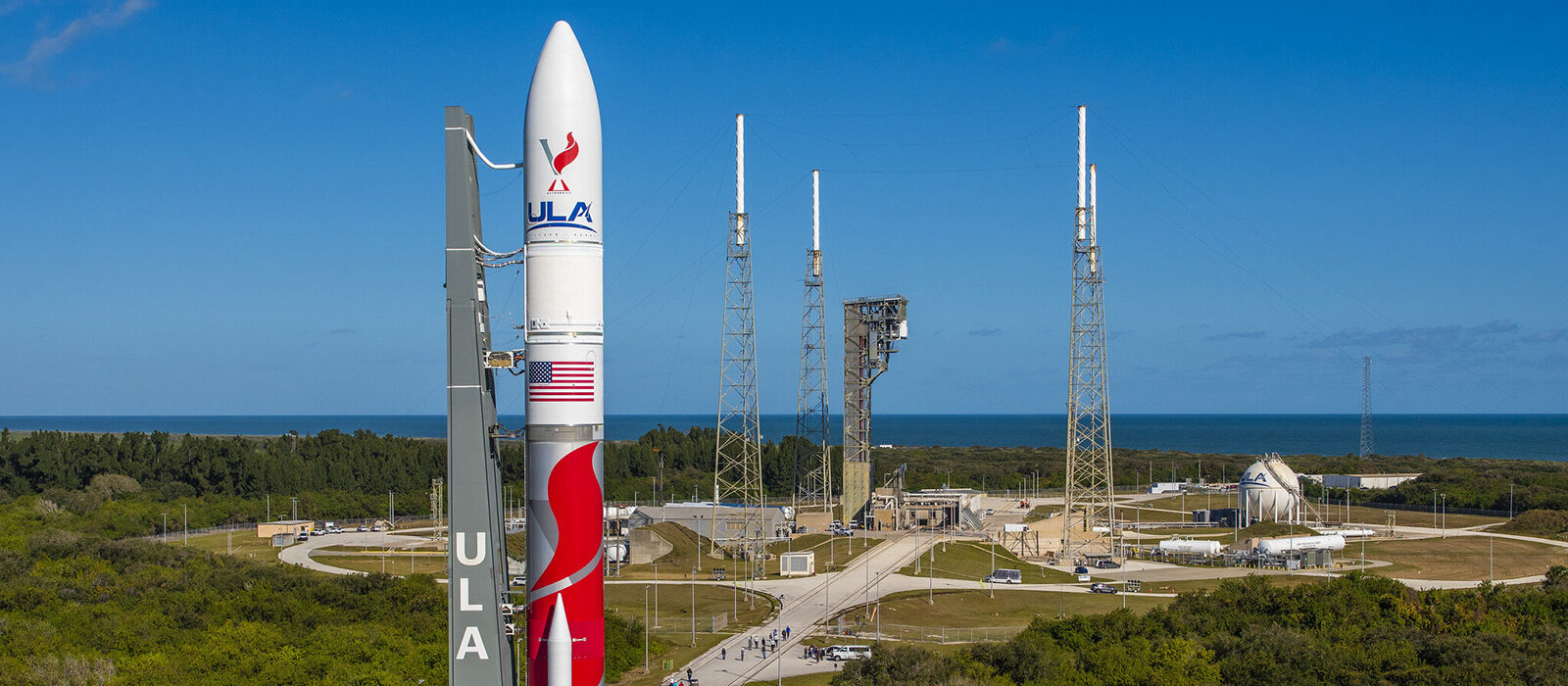
America’s launch enterprise has been outperforming expectations for more than a decade, steadily increasing the missions it can support, the pace of resetting launch pads, and the agility to launch on demand.
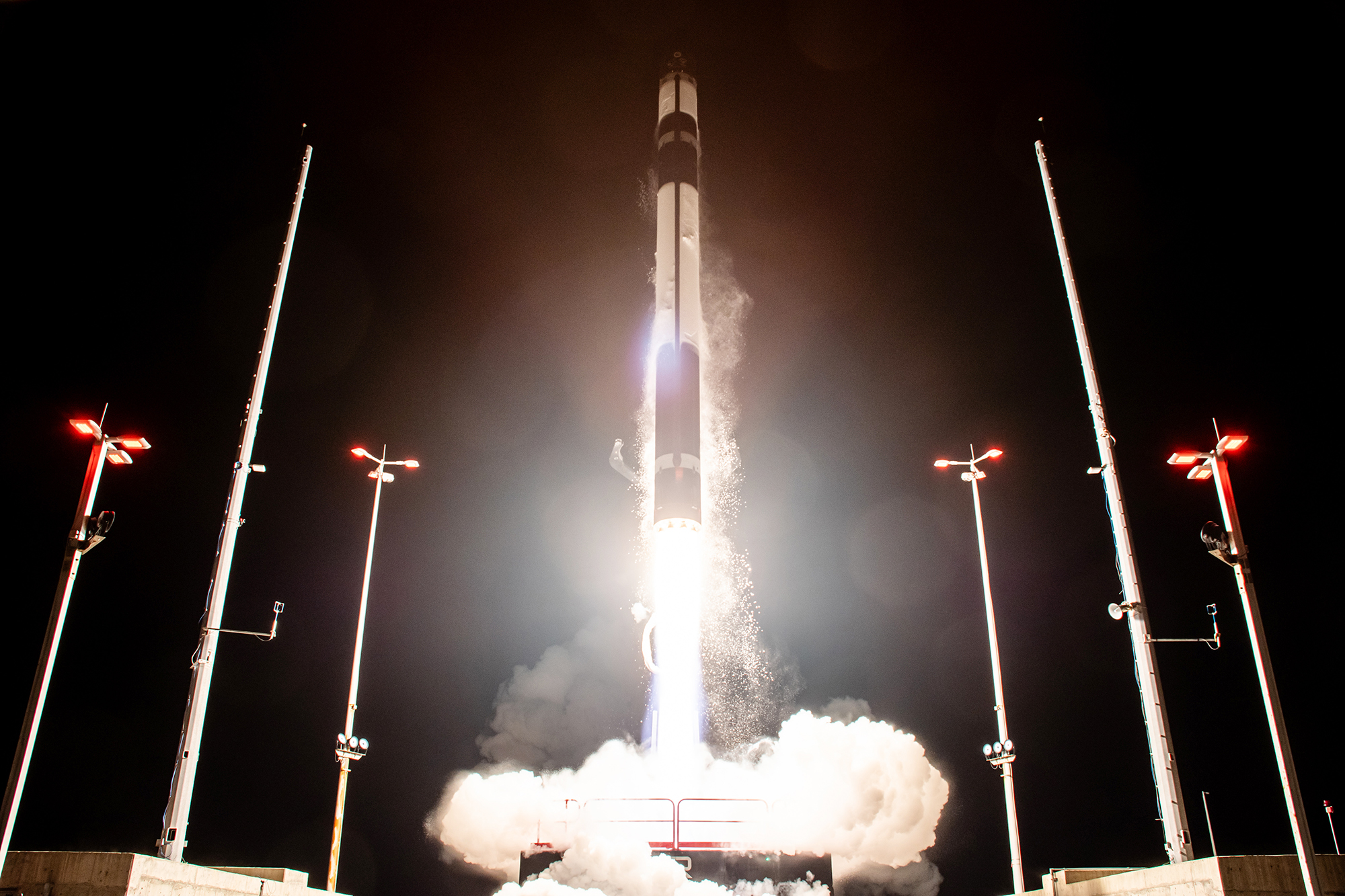
In 2025 alone, the service’s two spaceports, at Cape Canaveral Space Force Station, Fla., and Vandenberg Space Force Base, Calif., more than tripled their total launches from 2022. In January 2026, SpaceX broke the record for turning around its pad at Cape Canaveral, launching two Starlink missions within 45 hours from the same pad. And in June, the Space Force oversaw a rapid launch mission in which a Rocket Lab Electron rocket lifted off from the company’s private pad in New Zealand less than 17 hours after getting the order.
The Space Force’s progress is a national response to commercial and military demand for greater lift capacity and speed—and USSF is readying the enterprise to handle even more.
The service expects to deploy thousands of satellites between now and 2031 for missile warning and tracking, communications, and space-based sensing and targeting missions. Commercial space providers are also planning to grow existing constellations of low-Earth orbit satellites or deploy new ones. SpaceX, which already operates more than 10,000 Starlink satellites, plans to add another 1,000 spacecraft to its fleet within the next year. Others with space ambitions include AST SpaceMobile and Amazon LEO, which are building broadband constellations, and Google and SpaceX, which plan to put data center infrastructure in orbit.
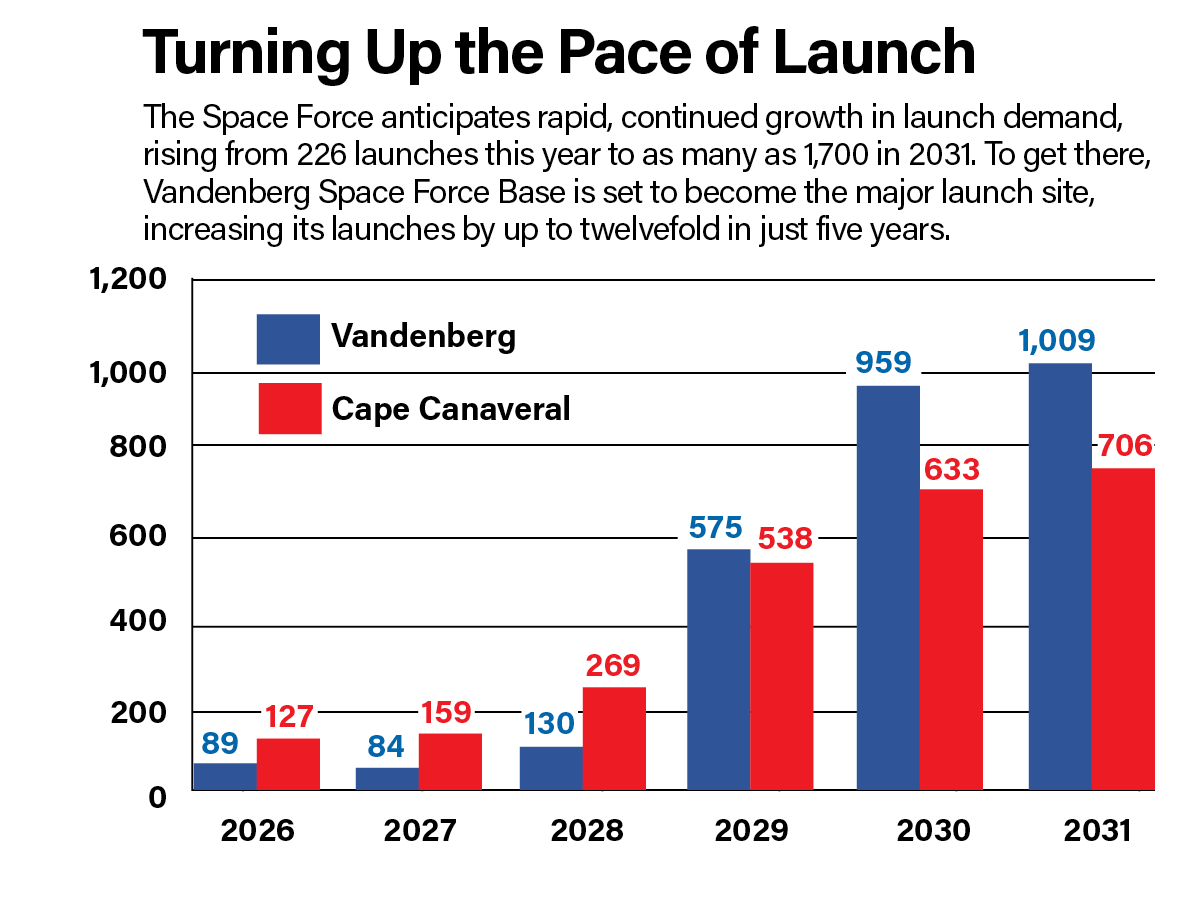
That means the Space Force could oversee as many as 700 to 3,000 launches a year by 2036, according to commercial launch estimates and force structure projections the service published in April.
Lt. Col. Kyle Rowland, 4th Space Launch Squadron, who oversees Vandenberg’s Spaceport of the Future initiatives“We need to get to ‘spaceport of the now,’ so we can start getting to Spaceport of the Future.”
To achieve that, the Space Force needs more efficient launch operations and more capacity—perhaps even a third dedicated site.
“We probably need another site that’s capable of heavy and superheavy launch capability—both from a resiliency perspective and just, even at the Cape, limitations on how much space we’ve got,” said Air Force Secretary Troy Meink, testifying in May during a House Armed Services Committee hearing.
First, though, the Space Force must modernize its current ranges, officials say. Lawmakers have been supportive of spaceport upgrades, allocating $1.3 billion in 2024 for “Spaceport of the Future” range projects through fiscal 2028.
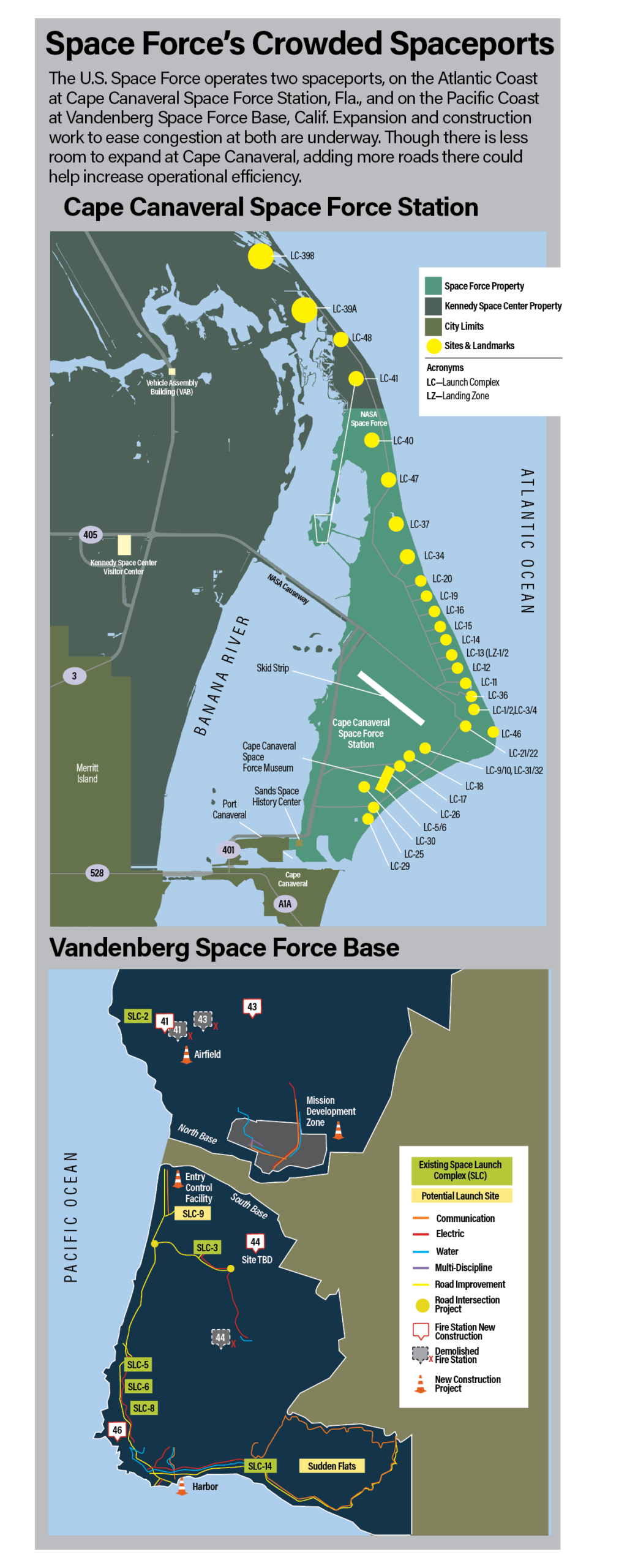
More funding is needed to add pads, facilities, payloads, and to hire more personnel. It also needs more roads, better access to commodities like propellant and water, and modern harbor facilities for the growing number of launch providers. At the Global Air & Space Chiefs Conference in London in July, Chief of Space Operations Gen. B. Chance Saltzman warned the Space Force will struggle to support a further increase in launches without additional funds.
“What we’re trying to do is expand that infrastructure as quickly as possible,” Saltzman said. “We don’t want to put a cap on the number of launches that we can support from our ranges, but we have to consider that our existing resources will fail if we don’t consider a cap.”
Limited Real Estate
At the Cape, much of the past two years has been spent finalizing building plans and centralizing government workspaces to open up real estate for launch providers and make its layout more efficient.
By 2036, the Space Force projects the Cape will support between 500 and 1,000 launches annually—a fivefold increase in just the next 10 years. Space Launch Delta 45 Commander Col. Brian Chatman, who oversees Cape operations, told Air & Space Forces Magazine he wouldn’t be surprised if that increase comes much sooner.
Because the Cape is already dealing with congestion and limited real estate, the range team’s focus has been on streamlining and automating processes, eliminating bottlenecks, and making the most of what space it does have.
Construction on the first phase of its projects started this year and will continue for the next three years or so, Chatman said. Then the next set of upgrades will begin. The Space Force hasn’t quantified how much that work will cost, but it anticipates asking for those funds in the fiscal 2028 budget, which is due to Congress in the next six months.
One urgent need is for a transport lane dedicated to moving rocket boosters across the range, Chatman said. There is just one main travel route to get on and off the Cape today, and launch vendors use it to transport rockets to the pad and—as more companies transition to reusable vehicles—to bring spent boosters back to their processing facilities. Because it can take hours to transport a booster after launch, traffic capacity is suddenly a major limiting factor.
“I’ve got to have dedicated routes for those transports to happen to maximize efficiency for all operations happening now on the Eastern Range,” Chatman said.
The range is also considering changes to the way it provides utilities and delivers fuel to launch sites. Chatman said hundreds of trucks move fuel around the base and he’s seeing growing demand for power and wastewater treatment. Improved infrastructure is needed for all of that.
Another pressing need is people. Chatman said he has 450 approved billets that are unfilled due to lack of funds. Those positions will be crucial in the coming years to support everything from legal work and navigating environmental regulations to maintaining day-to-day operations.
“I need some additional bodies to be able to meet that cadence that we have going forward,” Chatman said. “We are methodically going through and executing as fast and as hard as we can, but within the constraints that we have.”
The base impressed in the face of a major test earlier this year when Blue Origin’s New Glenn rocket exploded on the pad while preparing for a launch. The explosion destroyed much of Blue Origin’s infrastructure, but the base’s safety precautions helped contain the impact on personnel and operations. In fact, SpaceX executed a launch within 12 hours of the incident.
SLD 45’s response to New Glenn’s explosion validated its safety procedures, Chatman said, but it also shed light on the need for more efficient traffic flow, better pad access, and improved commodity delivery—especially as the range onboards more new launch vehicles in the coming years.
Room to Grow
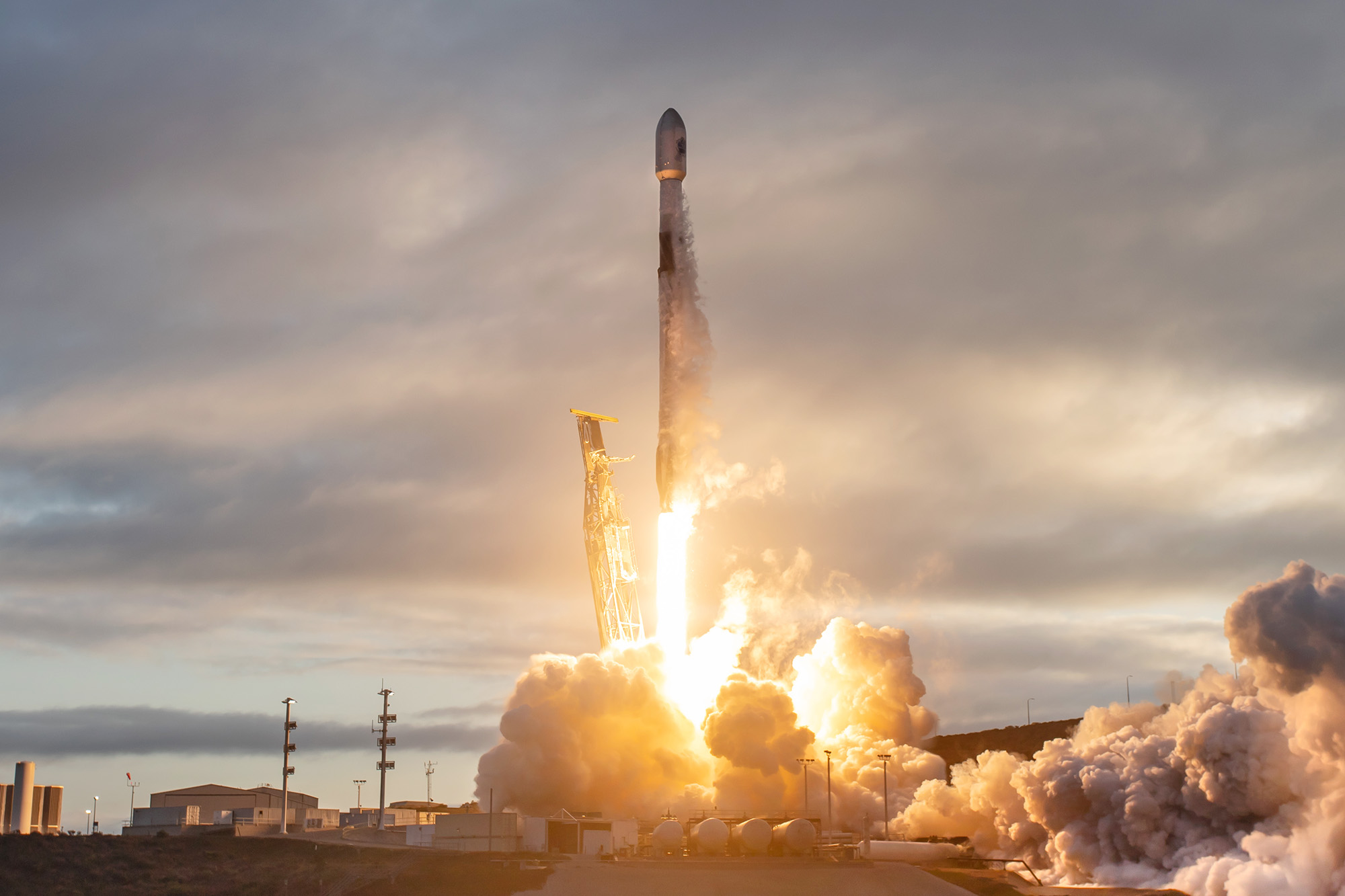
Across the country, in California, Vandenberg Space Force Base is also growing its launch activities. The range supported 66 missions last year and leaders expect that to increase to 150 to 200 launches annually in the next five years. By 2029, its yearly cadence could surpass that of the East Coast range, according to a force design study the service released in April.
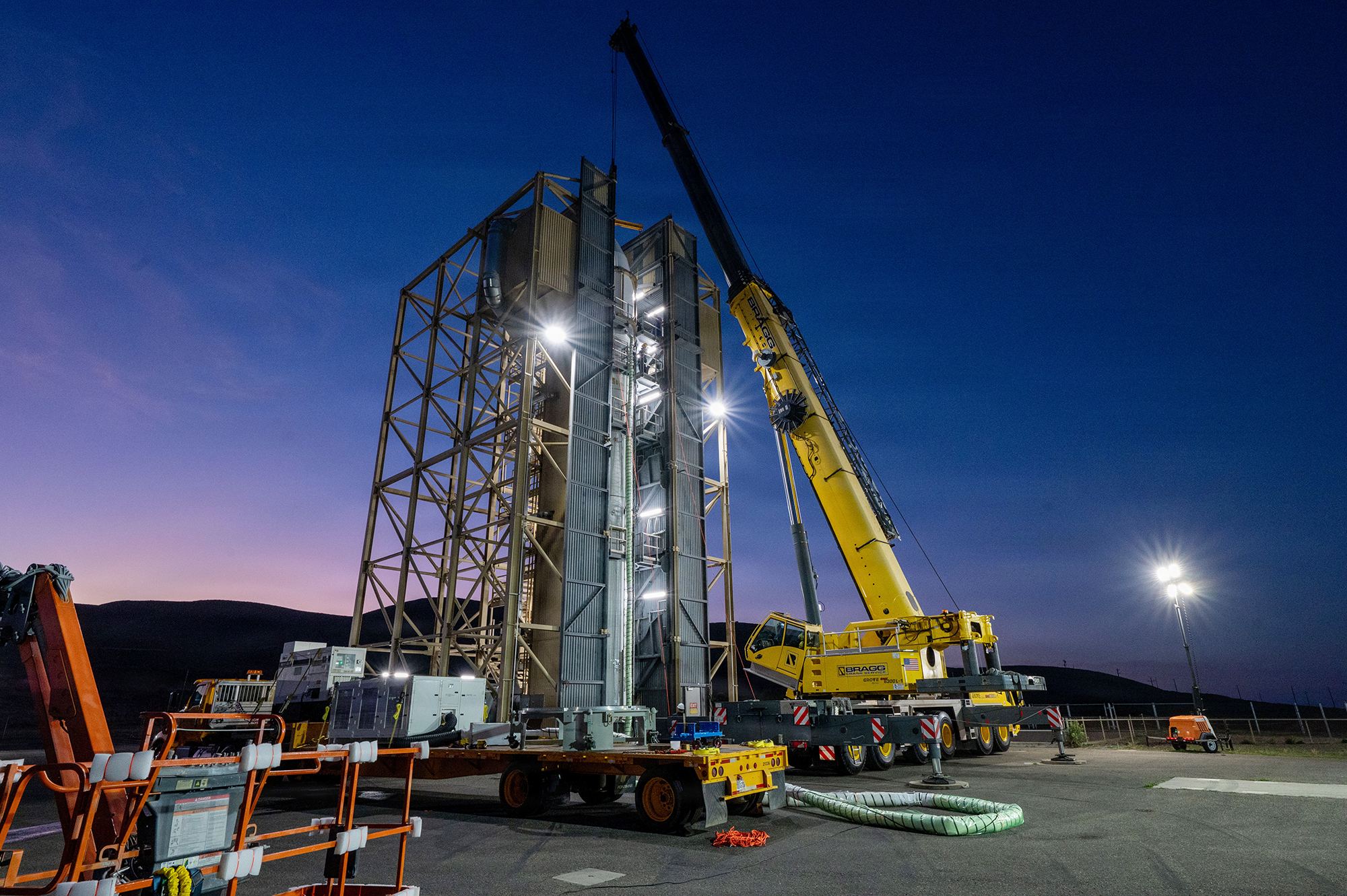
Range officials are planning to build new launch pads, payload processing and support facilities for launch providers, and to modernize the base’s harbor so more companies can dock to load and deliver rockets and boosters.
Activity at the range is steady now, but Col. James Horne, commander of Vandenberg’s Space Launch Delta 30, said it will be “bustling” by next summer.
In an interview with Air & Space Forces Magazine during a visit to the base, Horne listed the projects he expects to progress over the next year:
- Building a new entry gate at South Base and a vehicle inspection gate to better support the flow of construction and commodities vehicles onto and off of the base;
- Completing environmental reviews for Space Launch Complex 14, which Vandenberg recently leased to Blue Origin to support its New Glenn rocket, and new launch pad infrastructure at SLC-6, which SpaceX is modifying for Falcon 9 and Falcon Heavy launches and landings;
- Breaking ground on new payload processing facilities and starting plans for hazardous operations infrastructure, administrative offices, new launch support complexes, and potentially even rocket manufacturing facilities; and
- Wrapping up planning and design for an expanded harbor at the southern edge of the base.
Lt. Col. Kyle Rowland, who oversees Vandenberg’s Spaceport of the Future initiatives as commander of the 4th Space Launch Squadron, said he’s focused on prioritizing the most urgent projects to ease the way for bigger projects like payload processing facilities, transportation lanes, and entry gates later.
“I like to say, we need to get to ‘spaceport of the now,’ so we can start getting to Spaceport of the Future,” he said.
The fiscal 2026 National Defense Authorization Act gave the Pentagon more flexibility in how it manages military construction funds, which should keep Vandenberg’s many infrastructure projects on schedule, Rowland said.
Vandenberg has allocated about $614 million to improve its roads and utilities, Horne said, but other major projects— like the harbor expansion and a pipeline to pump fuel directly to launch pads will require more funding.
“We are approaching a point where it’s going to become more difficult, and we do require additional resourcing and people to do the work,” Horne said. “We have some pretty critical bottlenecks approaching, and we’re engaging with the administration and Congress in the budget process to build the infrastructure we need to anticipate what’s coming.”
Vandenberg hosts 54 tenant units and expects its workforce to double over the next five years, from 10,000 to 20,000. The Spaceport of the Future upgrades will support that growth, Horne said, but he is also working with the Air Force—which provides base support—to make sure it can support the people coming to live and work on the base.
“It’s going to require quite a bit of investment and facilities beyond just the launch piece to support those mission partners, like dorm rooms for students and office space for new missions,” Horne said.
Vandenberg is one of the U.S. military’s largest installations, spanning more than 99,000 acres of largely undeveloped land on California’s central coast. The base features 470 miles of streams, 9,100 acres of sand dunes, and 7,800 acres of wetlands—and it’s home to a number of heritage sites for indigenous communities, including the Chumash, a Native American tribe that spans California’s southern and central coast. Also sharing the base: a thriving population of marine mammals and 17 endangered or threatened species.
Launch Goes Mobile
Operating and building on undeveloped land in a uniquely biodiverse region poses a host of challenges, and while Vandenberg’s civil engineers have worked to mitigate environmental impacts, lawmakers, state agencies, and locals are concerned about what is to come. The projected increase in launches over the next decade factors in both rising demand for access to space and launch providers preparing to debut new rockets.
SpaceX and, to a lesser extent, United Launch Alliance, dominate launch demand today, but Rocket Lab, Blue Origin, Firefly, Stoke, Relativity, and Northrop Grumman all have plans to roll out new launch vehicles in the next few years. Jamie Morin, vice president of defense strategic space at Aerospace Corp., said new launch players will introduce options and change the launch business. They’ll also be vying for limited space on the Space Force’s ranges. “That’s going to clearly drive very serious competition among the companies over who gets access to what launch complexes or who gets access to what green field on which to build a new launch complex,” Morin said in an interview. “There’s going to be sustained competition as the growth occurs for the things that are really scarce, which are geography in the appropriate places and supporting infrastructure as we move to super heavy launch.” Some firms have already opted against building facilities at the Space Force’s ranges—Cape Canaveral Space Force Station, Fla., and Vandenberg Space Force Base, Calif. Rocket Lab, Firefly, and Northrop plan to fly their new rockets from the Mid-Atlantic Regional Spaceport on Wallops Island, Va., in part due to space constraints and projected bottlenecks at the busier spaceports. Others are exploring offshore options. SpaceX already uses a sea-based platform to land its reusable boosters after launch, and Blue Origin plans to do the same with its New Glenn rocket. This spring, Firefly and Lockheed Martin announced they would partner with sea-based launch company Seagate Space to develop infrastructure to launch Firefly’s Alpha rocket from an offshore platform. Both Firefly and Rocket Lab are also developing deployable launch systems designed to support lift-off from anywhere in the world. Rocket Lab’s GHOST capability, unveiled Aug. 10, packages all of the launch infrastructure and commodities needed to support its Electron and HASTE rockets in portable shipping containers. The company plans to debut the system next year at the Pacific Spaceport Complex, where it will have two new pads for suborbital launch missions. Brian Rogers, Rocket Lab’s vice president for global launch services, told Air & Space Forces Magazine the system will enable the company to launch without the need for fixed structures.
“Nothing has to be permanent,” Rogers said. “All of these things are very transportable. So, we’ll install it, we’ll go do a launch campaign or whatever the customer is asking for, but then we can move it at a pretty low cost.”
Rep. Salud Carbajal, D-Calif., wrote to Department of Air Force leadership earlier this year requesting information about how construction and an increased launch cadence might negatively affect the environment and people in the region.
“Advancements in space technology must not impose undue burdens on nearby communities or come at the expense of the local environment,” Carbajal wrote. “We must work to find a balance and compromise.”
Horne and Rowland said base leaders meet regularly with community members and recently held a series of meetings in cities along the coast to explain SLD 30’s expansion plans.
“What we found is when they understand—which they did—the mission growth that’s driving what they’re seeing and experiencing, it helps them rationalize the impacts on their daily lives,” Horne said.
Among their concerns: an increase in sonic booms, which rattle structures and can disturb wildlife. To better understand the problem, the base partnered with Brigham Young University and California State University Bakersfield to study sonic booms and how to reduce their impact on local populations, and Vandenberg has said it will minimize nighttime launches and try to be strategic about when certain vehicles fly.
“Any launch that’s going to generate a sonic boom above a level that would be of concern is briefed to me, and then we do the analysis to understand the impacts and then mitigate them,” Horne said. “Now that we know what’s driving the phenomenon … we can mitigate it.”
Juggling competing priorities will get harder as the range gets busier, and Horne plans to continue the base’s shoe leather community engagement and supplement it with digital tools to identify potential pain points “before they become a crisis.”
“We’re doing a much better job driving data into decisions and pooling all of our data, leveraging modern tools like artificial intelligence and machine learning to analyze all that data to show us where the bottlenecks are, where the touchpoints with the community could become concerns, and then helping us to figure out more efficient ways to quickly mitigate those,” he said. “But it is a challenge. We really just have to put our shoulder to the plow and keep pushing forward.”
Alternative Launch Sites
With just the Cape and Vandenberg as in-house options, the Space Force is exploring how it can expand its partnerships with other spaceports for routine missions that don’t have enhanced security or mission assurance requirements.
The service already works closely with two commercial range complexes—the Pacific Spaceport Complex in Kodiak, Alaska, and the Mid-Atlantic Regional Spaceport (MARS), on Wallops Island, Va. Leaning more heavily on these sites could free up capacity at the Cape and Vandenberg.
During a recent visit to MARS, Virginia Spaceport Authority CEO Roosevelt Mercer told Air & Space Forces Magazine his range on NASA’s Wallops Flight Facility has room for more pads. The spaceport covers 27 square miles on land leased from NASA and is discussing options for leasing more.
MARS has four pads today—two active, and two more under construction—and its primary customers are either already flying national security missions or on a path to do so.
- Pad 0-A, designed for liquid fuel rockets, is being redesigned as a multiuse facility to support Northrop Grumman’s Antares, Firefly’s Alpha, and a third medium-lift rocket called Eclipse that the two companies are co-developing.
- Pad 0-B hosts small and midclass launch vehicles like Northrop’s Minotaur I, IV, and V rockets.
- Pad 0-C hosts Rocket Lab for launching its Electron rocket.
- Pad 0-D will support Rocket Lab’s larger Neutron rocket, which is expected to fly for the first time in 2027.
Electron drives most of the cadence at MARS, which has supported seven launches between January 2025 and August of this year. As new vehicles come online from Rocket Lab and other providers, Mercer said he expects an annual rate of around 50 launches within the next five years. If the spaceport is able to expand to add more launch and landing pads, that rate could grow even higher.
Besides building more pads, MARS is also looking at ways to modernize its infrastructure. It plans to add payload processing space to support more missions and is considering bringing in a commercial telemetry capability that would allow it to turn around its pads more quickly, Mercer said. The spaceport is also eyeing upgrades to its harbor to convert it into a deep-water port, and it’s having early conversations with sea-based launch companies about building launch platforms off the coast of Wallops Island.
While the Defense Department provides some funding to MARS through what’s known as the Spaceport Enhancement Program, most of its resourcing comes from the commonwealth and the commercial companies that use its facilities. As activity at the range increases—much of it driven by national security needs—Mercer said the spaceport authority is working with Congress and the Space Force to secure more consistent government funding to support that growth.
“We are a national asset,” Mercer said. “The high 90th percentile of everything we launch is a government payload, a national security payload, and even those that are characterized as commercial have a government customer behind it. Why would the government not want to invest in this spaceport?”
The Space Force didn’t respond to questions about investing in improvements at MARS and the Pacific Spaceport Complex. But Col. Eric Zarybnisky, the Space Force’s program acquisition executive for space access, told Air & Space Forces Magazine he’s excited to work more closely with both spaceports. Kodiak’s isolated location and harsh weather would require modifications, Zarybnisky said, adding that his team is crafting plans for what the Space Force would need to enable more launches at both locations.
“We want to have thought through the basics that we need to have ready for them and then modulate as we understand [our customers’] specific requirements,” he said.
Both ranges are poised to support more national security missions. In late July, the Space Force awarded Rocket Lab a $266 million contract to fly 12 to 18 missions, mostly from Kodiak.
Mercer said the Space Force has shown interest in gauging the MARS spaceport’s ability to support rapid-turnaround missions. Twice in the past year, the service asked the range to demonstrate that it could turn over a launch pad in less than 72 hours—and Mercer said his team did, with time to spare.
The Space Force has demonstrated it can quickly ship a satellite, launch it, and turn it on for operations—a concept it calls Tactically Responsive Space—and while MARS hasn’t participated in those, Mercer said he expects it may in the future.
“If you asked me, I’m expecting to see more of that coming,” he said.