
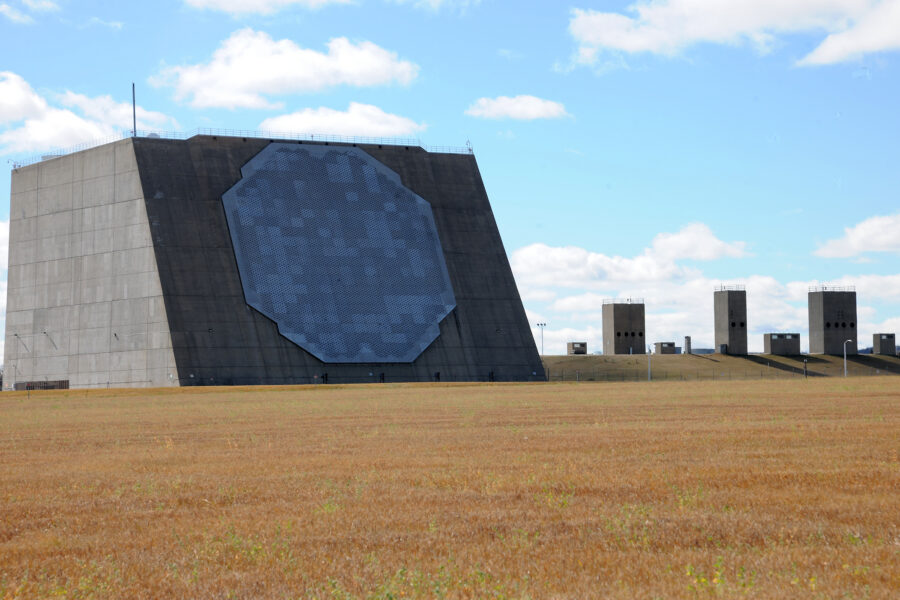
PARCS is a sophisticated UHF-phased-array radar system designed for missile defense and space surveillance, operated by the 10th Space Warning Squadron at Cavalier Space Force Station in North Dakota. The system serves as a critical early warning installation, monitoring for potential sea-launched and ICBM ballistic missile threats while providing crucial surveillance data to military command centers. Its capabilities enable comprehensive threat assessment and timely information sharing with defense authorities.
The PARCS installation employs advanced radar technology to track a significant portion of Earth-orbiting objects, with its specialized array oriented toward Hudson Bay to maximize coverage of potential threat vectors. Beyond missile defense, PARCS contributes valuable data about space activities as part of the broader space surveillance network. The system processes tens of thousands of tracking operations daily, detecting everything from large satellites to space debris.
PARCS originated as a component of the Army's Safeguard missile defense program, but found continued utility in Air Force operations after the original system was decommissioned, transitioning to focus on missile warning and space surveillance. The Space Force maintains PARCS through contracted support services, with a substantial investment in its continued operation and maintenance. PARCS is due to be upgraded from analog to digital under the Ground Based Radar Digitization (GBRD) project, announced in May 2026, with a preliminary design review in 2027 and rapid fielding starting in 2030.
Perimeter Acquisition Radar Attack Characterization Technical Data
Contractors: Western Electric Co. (prime contractor); InDyne (current maintenance contract).
Operator/Location: USSF 10th Space Warning Squadron (Space Delta 4); Cavalier Space Force Station, N.D.
IOC: 1976.
Active Systems: One radar site.