
U.S. aircraft, drones, and attack helicopters have launched significant airstrikes in recent days against Islamic State militants in Syria as part of the renewed air campaign against remnants of the group, U.S. officials said.
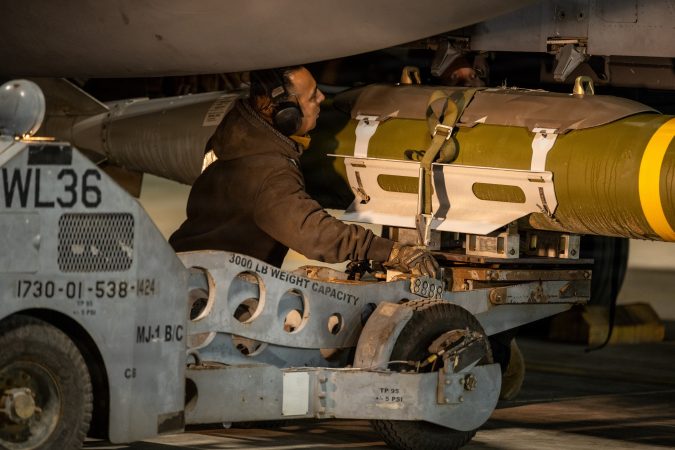
From Jan. 27 to Feb. 2, American aircraft targeted five ISIS sites in Syria as part of its Operation Hawkeye Strike effort. U.S. aircraft and helicopters dropped around 50 munitions on what the U.S. military described as an “ISIS communication site, critical logistics node, and weapons storage facilities,” U.S. Central Command, which oversees forces in the region, said in a statement Feb. 4.
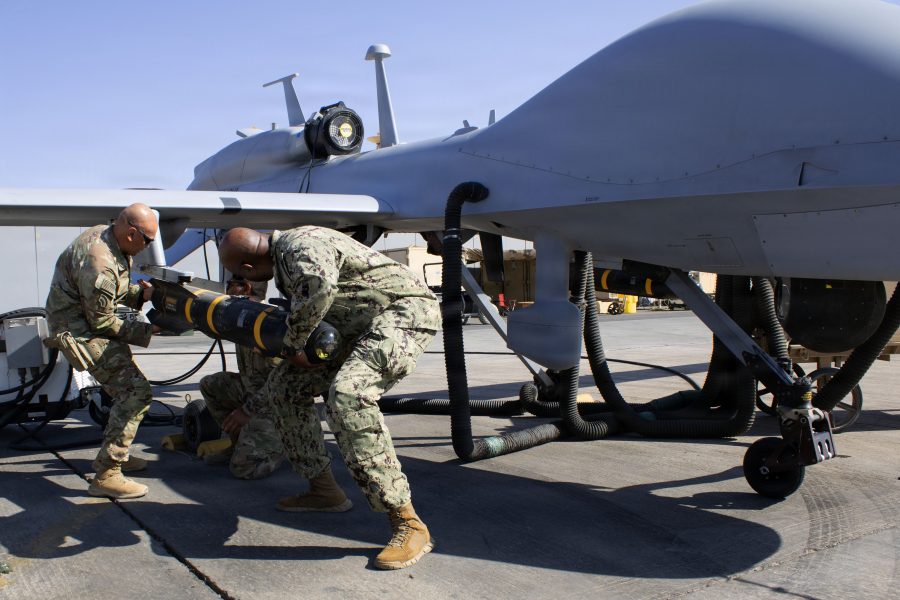
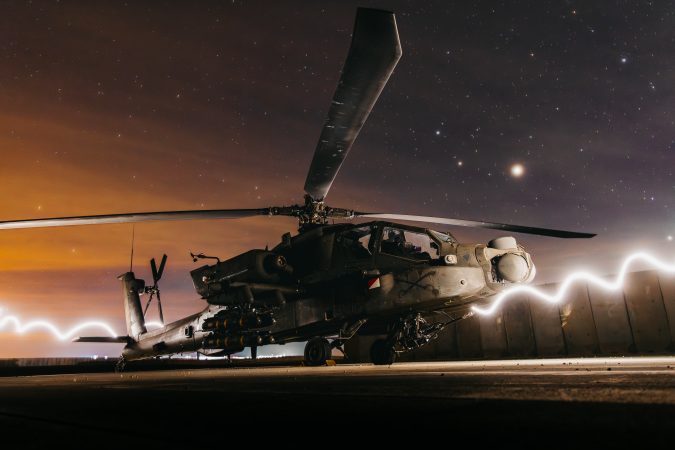
The airstrikes were conducted across Syria by AH-64 Apache attack helicopters, MQ-9 Reaper drones, and U.S. warplanes, a U.S. official told Air & Space Forces Magazine. American officials did not disclose which fixed-wing aircraft were used, but recent operations against ISIS in Syria have been conducted by F-15E Strike Eagle fighters and A-10 Thunderbolt II attack planes, according to previous U.S. military statements. The Apache gunships conducted a large portion of the recent strikes, a U.S. official said. American forces attacked multiple targets at least some of the sites.
“Striking these targets demonstrates our continued focus and resolve for preventing an ISIS resurgence in Syria,” CENTCOM commander Adm. Brad Cooper said in a statement. “Operating in coordination with coalition and partner forces to ensure the enduring defeat of ISIS makes America, the region, and the world safer.”
Operation Hawkeye Strike was launched after a Dec. 13 ambush that killed two Iowa Army National Guard soldiers and an American interpreter. The gunman was tied to ISIS and had also worked for the Syrian government’s security forces, U.S. officials have said.
The American forces, who were based at Al Tanf Garrison in eastern Syria, were meeting with members of the Syrian government near the central city of Palmyra. The attacker was killed in the incident. The U.S. military said it killed the planner of the attack, Bilal Hasan al-Jasim, in a Jan. 16 airstrike in northwest Syria. CENTCOM described the man as someone who was affiliated with al-Qaeda and as an “experienced terrorist leader who plotted attacks and was directly connected with the ISIS gunman.”
ISIS’s self-declared caliphate was defeated in 2019, but the group has been trying to make a comeback ever since, particularly in the wake of recent clashes in the country.
In late 2024, rebel forces led by Ahmed al-Sharaa took control of most of the country and toppled Syrian dictator Bashar Al-Assad, and the U.S. has been attempting to build relations with the new Syrian government, led by Sharaa, who is now the country’s president.
The primarily Kurdish area of northeast Syria, however, was still controlled by the fighters who had been partnered with America in its campaign against ISIS, the Syrian Democratic Forces, or SDF. Last month, forces from Syria’s new government launched an offensive against the SDF, which led to a U.S.-brokered ceasefire in which Kurdish forces largely ceded territory to the Syrian government, and the U.S. envoy to Syria, Tom Barrack, said the need for the SDF had “largely expired.”
The push against the SDF led the group to withdraw from detention facilities holding thousands of ISIS fighters. The U.S. military quickly launched an effort on Jan. 21 to transfer up to 7,000 detainees to Iraqi-controlled prisons across the border to prevent the ISIS fighters from escaping and mounting a resurgence. The initial wave of some 150 detainees was transferred via a U.S. Air Force C-17.
The detainee transfer is still ongoing using aircraft and ground routes, a U.S. official said.
Operation Hawkeye Strike falls under Operation Inherent Resolve, the American campaign against ISIS that was launched over a decade ago. The Hawkeye Strike mission remains ongoing and is a multifront effort that includes strikes on ISIS infrastructure and pursuing targeted attacks against specific, key figures affiliated with the group to maintain military pressure on ISIS, U.S. officials said.
CENTCOM says it has killed or captured more than 50 ISIS members in the two months since it commenced its Operation Hawkeye Strike missions.