
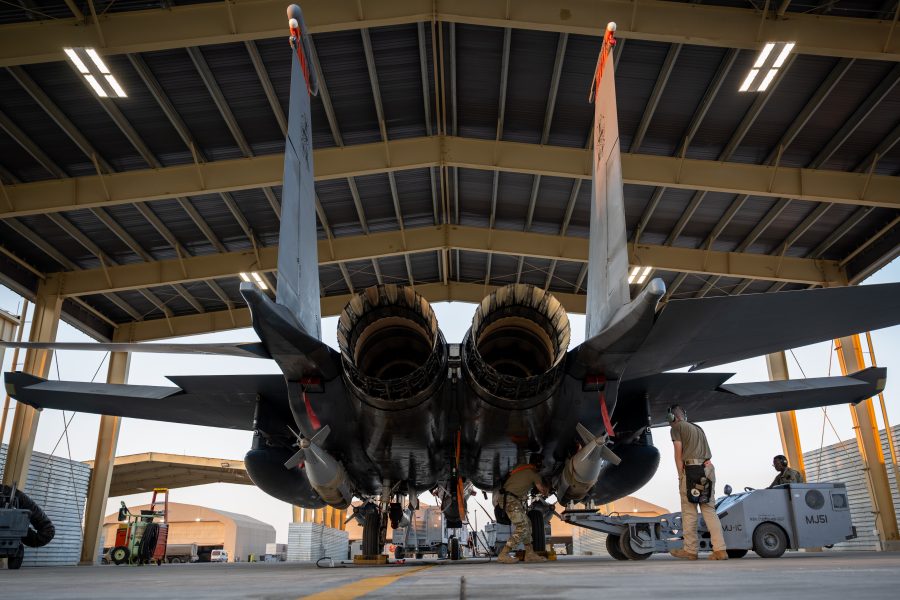
The U.S. began extensive air and artillery strikes against Islamic State group targets in Syria on Dec. 19 in retaliation for the killing of three Americans on Dec. 13 by a gunman affiliated with ISIS, U.S. officials said.
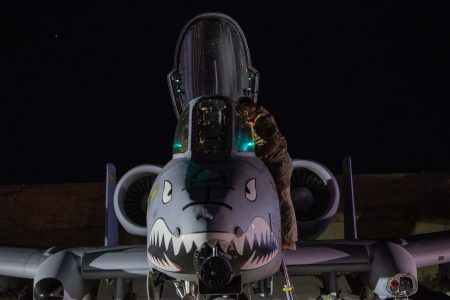
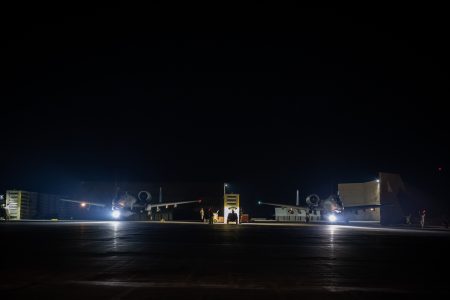
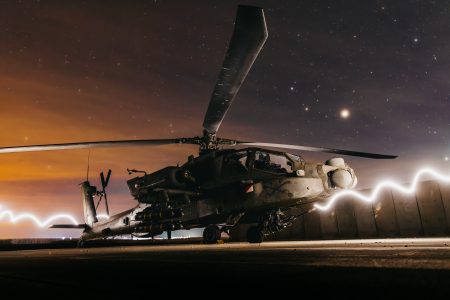
U.S. Air Force F-15E Strike Eagles and A-10 Thunderbolt II attack planes, as well as U.S. Army AH-64 Apache attack helicopters and HIMARS artillery launchers, struck dozens of ISIS sites in Syria, officials said. The sites, which included suspected ISIS infrastructure and weapons storage locations, totaled more than 70 targets, U.S. military officials said. In previous operations, there could be multiple targets at an individual site.
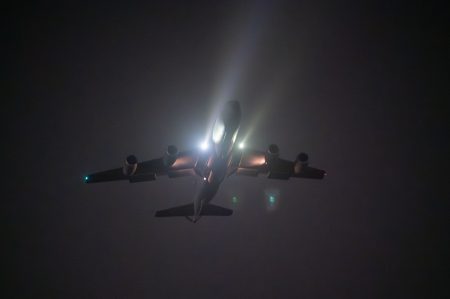
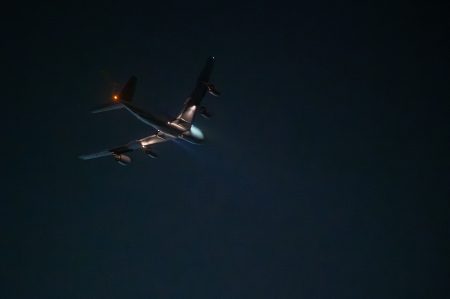
More than 100 precision munitions were used in the operation, according to U.S. Central Command, which oversees forces in the region. The command called the operation a “massive strike.” Air Force KC-135 Stratotankers provided aerial refueling support.
The mission was named Operation Hawkeye Strike in honor of slain and wounded Iowa Army National Guard Soldiers. Two Soldiers and an American civilian working as an interpreter were killed, and three Soldiers were wounded in what the Trump administration described as an ambush by a gunman affiliated with ISIS near Palmyra, Syria, on Dec. 13. The deaths were the first American casualties in the country since the fall of Syrian dictator Bashar al-Assad last December. The Iowa Army National Soldiers who were killed were based at Al Tanf Garrison in eastern Syria, which was visited by CENTCOM commander Adm. Brad Cooper Dec. 19 ahead of the attack.
The gunman was killed after the Dec. 13 attack, U.S. and Syrian officials said. A Syrian officer was killed and two others were injured, Syrian officials said.
The U.S. operation was “in direct response to the attack” on American troops, Secretary of Defense Pete Hegseth said on social media.
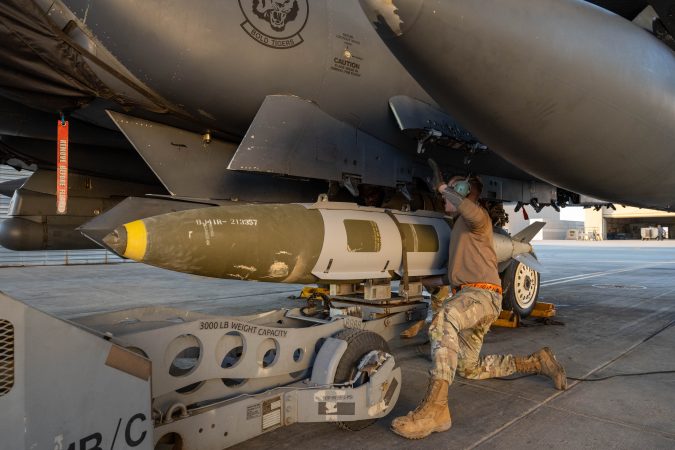
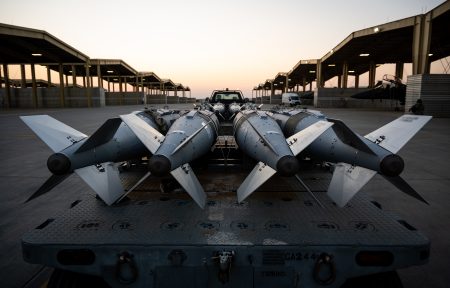
At least some of the F-15E fighters were armed with GBU-31 Joint Direct Attack Munitions. The 2,000-pound guided bombs were visible in photos showing preparations for the operation that were released by CENTCOM.
Trump said soon after the gunman’s attack that the U.S. would retaliate. The U.S. had already conducted a series of raids against ISIS in Iraq and Syria earlier this week, U.S. officials said. Trump said in a post on social media “that the United States is inflicting very serious retaliation, just as I promised, on the murderous terrorists responsible.” Hegseth referred to the operations that began Dec. 19 as a “declaration of vengeance.”
“Today, we hunted and we killed our enemies,” Hegseth added. “Lots of them. And we will continue.”
Jordanian F-16s also participated in the operation, people familiar with the matter said. CENTCOM confirmed Jordanian fighter planes participated in the mission, without specifying the type.


The U.S. has roughly 1,000 troops deployed in Syria to fight ISIS, down from around 2,000 a year ago. U.S. troops have been operating in eastern Syria for years, where they have trained and assisted primarily Kurdish partner forces as part of the counter-ISIS campaign. ISIS’s self-declared caliphate was defeated in 2019, but the group has been attempting to make a comeback ever since.
The Trump administration and Syria’s new president Ahmed al-Sharaa, who led the rebel forces that toppled Assad, have demonstrated growing cooperation. Sharaa visited the White House last month, and Syria officially joined the coalition to defeat ISIS. The attack by the gunman was seen by many analysts as an attempt to disrupt the relationship between the American and Syrian governments.
“This operation is critical to preventing ISIS from inspiring terrorist plots and attacks against the U.S. homeland,” Cooper said in a statement. “We will continue to relentlessly pursue terrorists who seek to harm Americans and our partners across the region.”