


An 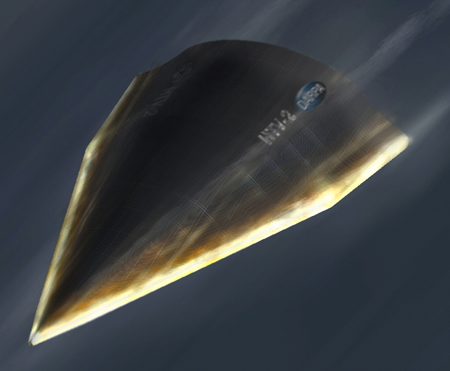 unexpected degree of aeroshell degradation was “the most probable cause” of the premature flight termination of DARPA’s Hypersonic Technology Vehicle during a flight over the Pacific Ocean last August, according to the findings of the agency’s independent engineering review board. This was a second flight of an experimental, expendable HTV-2 vehicle. It built upon the lessons of the first HTV-2 test flight in April 2010. While a gradual wearing away of HTV-2’s skin was expected during the August 2011 flight as the vehicle reached high Mach speeds, “larger than anticipated portions of the vehicle’s skin peeled from the aerostructure,” states DARPA’s April 20 release. That degradation caused the vehicle to roll abruptly, eventually exceeding its ability to recover, according to the release. The flight “successfully demonstrated stable aerodynamically controlled flight at speeds up to Mach 20 for nearly three minutes,” states the release. The problems occurred at approximately nine minutes into the flight. “The result of these findings is a profound advancement in understanding the areas we need to focus on to advance aerothermal structures for future hypersonic vehicles. Only actual flight data could have revealed this to us,” said Maj. Chris Schulz, a DARPA program manager.
US Space Command Should Always Be Led by a Guardian
Sept. 12, 2026
General Stephen Whiting took command of U.S. Space Command in January 2024, and if customary three-year tenures hold, his tour would end in January 2027. The question now before the President and Senate is who should follow him? Whoever they choose, it has to be a Guardian—and so should every successor…
