


Sequestration 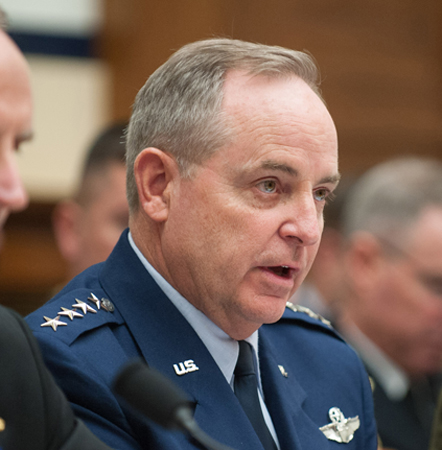 and the spending cuts initially imposed by the 2011 Budget Control Act have put the Air Force in a place where it is now “walking a knife’s edge between being able to maintain readiness or not,” Chief of Staff Gen. Mark Welsh told lawmakers on Capitol Hill on Tuesday. The service’s readiness rates “have been coming down for 10 years consecutively because we’ve been moving money into modernization accounts” because of the critical need to modernize the force, said Welsh in testimony before the House Appropriations Committee’s military construction panel on March 5. However, sequestration changes that approach, he said, as “now we have had to think about taking money out of modernization and putting it back into readiness.” Making such planning and programming moves more difficult is the fact that Air Force officials “don’t know yet” what the service’s topline budget number is going to be for the next 10 years with the sequester, he said. “Until we know that, we can’t even help define the specific impact on acquisition programs, modernization programs, infrastructure, numbers of people, force structure,” said Welsh. (Welsh’s prepared statement)
The top Air Force commander on on the Japanese island of Okinawa has clamped down alcohol and issued a curfew for junior enlisted Airmen and Guardians at Kadena Air Base for the next month. The order came roughly two weeks after a U.S. Marine was arrested for allegedly robbing and…