
Officials 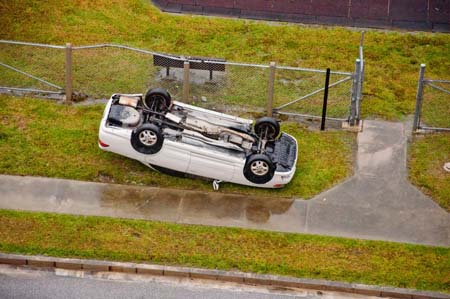 at Kadena AB, Japan, expect the damage caused by Typhoon Jelawat to “creep in to the millions” of dollars, said Lt. Col. Bryan Opperman, 18th Civil Engineering Squadron commander, in an Oct. 2 base release. The eye of the storm passed about 10 miles from Kadena on Sept. 29, saturating the area with 23 inches of heavy rainfall over a 24 hour period, according to the release. Winds exceeded 135 miles per hour, turning cars and other unsecured items into “lethal projectiles,” states the release. Jelawat was the seventh—and most severe—typhoon to strike Okinawa this year, states the release. “This typhoon was a lot stronger than recent ones, so there’s more damage. It’s going to take more time to get the base recovered,” said Opperman. Damage to facilities and on-base homes was “significantly greater” compared to the previous storms, states the release. Weather forecasters initially didn’t expect Jelawat to hit Okinawa with such force; however, the storm then shifted north, putting the island in its direct path. (Kadena report by A1C Malia Jenkins)
Space Systems Command on July 27 announced a $287 million award to Sphinx Defense to develop a mission planning prototype for the Evolved Strategic Satellite Communications program’s ground segment.