
The safe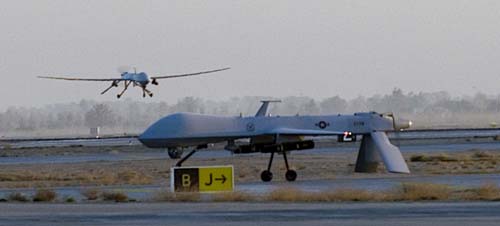 ty record of the Air Force’s MQ-1 Predator unmanned aerial vehicles is getting better and doing so at an accelerated rate compared to the learning curves experienced with legacy manned fighters, says Col. John Montgomery, vice commander of the 432nd Wing at Creech AFB, Nev. Meeting with reporters visiting the base Wednesday, Montgomery said he thinks it is “unfair” to view the Predators as having a comparatively high mishap rate. The reason, he said, is because of the MQ-1 fleet’s staggering operations tempo. If an average F-16 fighter wing flies about 15,000 hours a year in combat with 72 aircraft deployed, his Predators are flying about 10 times that right now, he said. “Because that fleet is flying more than all of those F-16s combined, with a very small fleet, what you see is, ‘Wow, they’re falling out of the sky,’” he said. As of today, the MQ-1 fleet has about 6.6 accidents per 100,000 flight hours, and the accident rate is going down. The rate of decline for the MQ-1 is steeper than that of the F-16, meaning the Predator is getting safer faster than the F-16 did as the F-16 fleet came on in numbers, he noted, citing figures from the Air Force Safety Center.
As the threat of Iranian-made drones grew, the Air Force rushed last year to equip F-15E Strike Eagles in the Middle East with a cheap, cost-effective way of defeating them. The service fielded the new capability in roughly a week.
