


A showdown with the 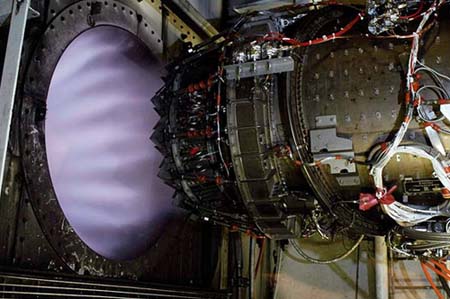 Senate is now looming after the House’s approval yesterday of its version of the Fiscal 2010 defense appropriation bill that includes $560 million for the F136 engine, the competing powerplant to Pratt & Whitney’s F135 for the F-35 Lightning II Joint Strike Fighter. The House vote for its $636 billion spending legislation was 400 to 30. The Senate, which passed its defense authorization bill on July 23 without money for the alternate engine, is not expected to tackle its version of the spending bill until September. Deciding whether to continue the F136 is expected to be one of the thornier issues during House-Senate conference. The Obama Administration doesn’t want the F136, saying the General Electric/Rolls-Royce propulsion system isn’t necessary since the Pentagon is already maturing the F135. In fact, the White House said it would recommend that the President veto the defense authorization bill if it contained F136 funding. But this engine still enjoys considerable support among House members with key defense oversight roles such as Rep. Neil Abercrombie (D-Hawaii) and Rep. John Murtha (D-Pa.), who insist that the thought of going forward with just one engine provider is too risky given that the F-35 will constitute the vast majority of fighters in the US inventory in coming decades. “The GE Rolls-Royce Fighter Engine Team simply seeks the opportunity to compete,” said David Joyce, president and CEO of GE Aviation, in the company’s release yesterday. The F136 is “already more than 70 percent through its development” and the first F136 production engines are scheduled for delivery in 2012.
The Pentagon has concluded a new agreement to buy laser-guidance kits that turn rockets into drone-killing weapons. BAE Systems and the Defense Department announced a framework deal of up to seven years for 25,000 Advanced Precision Kill Weapon System guidance kits annually for the U.S. military.