
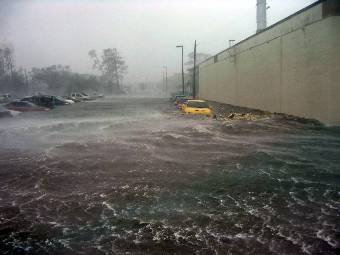
 Maj. Gen. William Lord was on the ground in southern Mississippi as the commander of the 81st Training Wing at Keesler Air Force Base when Hurricane Katrina roared into the Gulf Coast last year. Speaking to reporters about his experience, Lord described the urgent transformation he saw unfold when a schoolhouse for air traffic controllers and other technical fields was converted into an emergency staging area. The August 2005 storm damaged nearly 95 percent of base structures and 2,000 homes of employees were “completely gone,” he said. Describing the duties of coordinating recovery efforts both on and off base, Lord said that useful military intelligence became “whether there is milk in the Winn Dixie [and] which traffic lights work.” Lord, who is now serving as the Air Staff’s director of information, services, and integration, praised Keesler airmen for stepping up and helping get the base functioning quicker than anticipated, all while participating in relief activities in the region. Three weeks after the storm hit, the base’s air traffic control courses were back in business.
The Air Force has finished modifying and testing the new VC-25B Bridge aircraft that will serve as a temporary Air Force One, the service announced May 1. All that’s left now is to finish painting the jet before it starts flying this summer.