
Though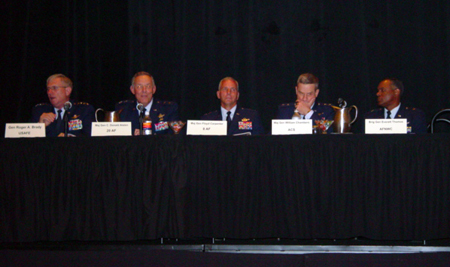 the B-52 fleet has been one of the centerpieces of the Air Force’s reinvigorated nuclear mission, its capability to launch nuclear cruise missiles remains very much in doubt, as the service’s sole weapon left in its active inventory is slated to retire from service by the end of the decade. However, the Pentagon is pressing the Air Force to come up with possible alternatives, said Maj. Gen. William Chambers, the head of nuclear integration on the Air Staff Monday at AFA’s Air & Space Conference. The Air Force is in the process of reducing its AGM-86 Air Launched Cruise Missile fleet down to 528 weapons, with the remaining weapons due to leave service by 2020—effectively limiting the B-52s nuclear delivery to the B61 gravity bomb. Chambers said the ALCM continues to be a reliable part of the nuclear portfolio, and that Pentagon leadership has directed the service to begin conducting an analysis of alternatives next year for a potential successor to the weapon. “Guidance from that effort has been given from DOD and that effort has begun in earnest,” Chambers told the audience during a panel discussion on the nuclear enterprise. (For more from the panel, read the Daily Report’s Good Start on Nuclear Enterprise, but Work Remains)
New approaches to testing Space Force equipment are speeding up delivery to operators, but the service needs more testers and perhaps its own space-focused test center, officials said April 1. Those are key pieces of the fledgling force’s testing methods and future moves that will keep new technology flowing into…