
The 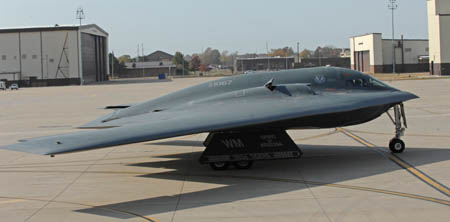 Air Force’s nuclear-capable B-2A and B-52H bombers “may emerge as the best means” of extending the United States’ protective nuclear umbrella to friends and allies in coming years, especially as US strategic nuclear force levels come down, said Maj. Gen. William Chambers, assistant chief of staff for strategic deterrence and nuclear integration. “Bombers provide unmatched flexibility in weapons and delivery profiles to provide the most credible deterrent to our most likely threats, the regional non-peer nuclear states,” said Chambers during an Oct. 28 speech on Capitol Hill. This is one of the reasons, Chambers told reporters after his speech, that the Air Force is “spending a lot of time to make sure that that bomber number is right—and a little higher than lower”—as the United States configures its nuclear forces to meet the reduced ceilings agreed to under the New START agreement with Russia. “When America sends a bomber overseas, it sends a signal. Call it what you will—conventional, nuclear—we believe that signal is part of deterrence, added Chambers. “And there are allies of the world who would probably like us to do it a little more.”
New approaches to testing Space Force equipment are speeding up delivery to operators, but the service needs more testers and perhaps its own space-focused test center, officials said April 1. Those are key pieces of the fledgling force’s testing methods and future moves that will keep new technology flowing into…