
On the s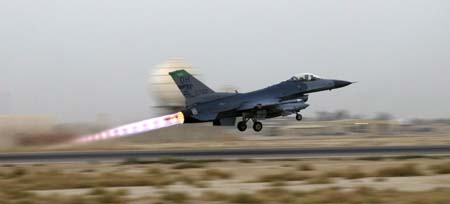 ame day that the Twin Towers and Pentagon were attacked and the airliner crashed in Pennsylvania, the Air Force lost its first aircraft in the Global War on Terror. This airplane, an RQ-1 Predator unmanned aerial vehicle operating as part of the no-fly zone missions that coalition forces had flown since the 1991 Gulf War, went down in Iraq due to hostile fire, according to information that the Air Force provided the Daily Report. This Predator represents the first of seven aircraft lost as a result of direct contact with the enemy since Sept. 11, 2001, the day the Air Force began counting GWOT losses. The other combat losses comprise one A-10A, one F-16C, one MH-53M, two MQ-1s, and two RQ-1s. The Air Force has lost a total of 65 aircraft overall since 9/11 in war-related sorties supporting operations in Afghanistan, Iraq, and elsewhere. These are collectively referred to as contingency losses. Manned aircraft account for 23 of the contingency losses, with UAVs constituting the remaining 42. (For more, read Cost in Airframes)
A Golden Dome task force established under U.S. Northern Command earlier this year has a broad remit, which includes fielding the capability to defend the U.S. against missile and drone attacks, its leaders said this week. Some of the primary focuses right now are ensuring Golden Dome can defend itself…