


About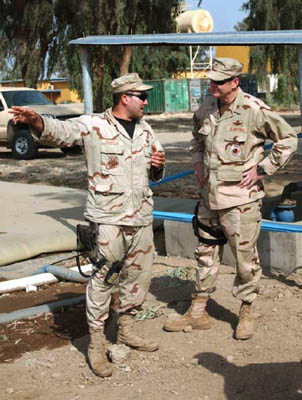 20 airmen are working with the Iraqi Army at remote Camp Habbaniyah. Where “everything is a challenge [and] nothing comes easy,” says TSgt. James Lovelace, senior enlisted advisor for the camp’s USAF unit. The Red Tail Flyer reports that the airmen’s job is to teach Iraqi soldiers how to operate a military organization, ranging from such basics as providing food, water, electricity, fuel, and waste management. Lt. Col. Sharyn McWhorter, officer in charge of USAF’s regional support unit Habbinayah, says there wasn’t even a “scheme for picking up trash.” Some 50 years ago, the camp was a functional base; now living quarters may not have running water or electricity and supplies are scarce. The airmen subsist on local food and care packages from home.
The top Air Force commander on on the Japanese island of Okinawa has clamped down alcohol and issued a curfew for junior enlisted Airmen and Guardians at Kadena Air Base for the next month. The order came roughly two weeks after a U.S. Marine was arrested for allegedly robbing and…