
The Air Force sen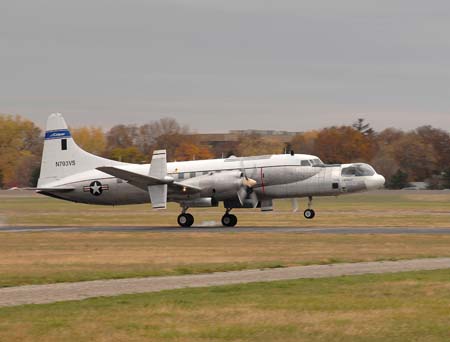 t it’s one and only Convair C-131 Total-In-Flight Simulator on its final flight earlier this month, this time to its new home at the National Museum of the US Air Force in Dayton, Ohio. During its 30-year operational life, the TIFS flew 2,500 research flights, during which pilots could replicate the flight characteristics of many different types of aircraft and researchers could explore such things as flying qualities and avionics. Among the aircraft’s unique features are the easily visible piggybacked cockpits, but it also had other attributes, like a replaceable nose and ample cabin room for additional test equipment and personnel. The aircraft served military, civil, and commercial test needs, simulating aircraft from the B-1 bomber to the space shuttle and Boeing’s supersonic transport. “Its role in advancing the acceptance of aircraft technologies made it the ultimate tool in the aircraft developer’s and researcher’s tool bag,” said Vince Raska, Air Force Research Lab program manager. The museum plans to prepare TIFS for preservation before placing it on permanent display.
As the threat of Iranian-made drones grew, the Air Force rushed last year to equip F-15E Strike Eagles in the Middle East with a cheap, cost-effective way of defeating them. The service fielded the new capability in roughly a week.
