


GEO-1, 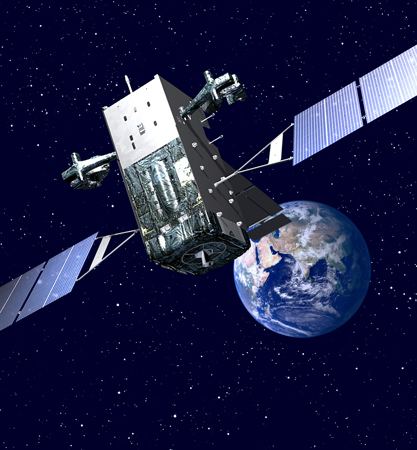 the first Space Based Infrared Systems geosynchronous satellite, already is meeting more than 90 percent of Air Force Space Command’s performance requirements for operational use, said service space officials on Monday. That’s the case even though US Strategic Command has not yet certified the sophisticated early warning satellite for operations; that’s supposed to occur by the end of the year, they said. “We’ve been extremely pleased with the performance of this first-of-its-kind spacecraft,” said Col. James Planeaux, director of the Infrared Space Systems Directorate at Los Angeles AFB, Calif., in a statement. GEO-1’s sensors “are detecting targets 25 percent dimmer than requirements, with an intensity measurement that is 60 percent more accurate than specifications,” reads the statement. The payload pointing also is nine times more precise than required, it states. GEO-1 was lifted into space last May. It is expected to complete final system tuning by the end of this May. The satellite and associated ground systems are slated to begin formal testing in June, said the officials. (See also Snapshot of New Space Capabilities from the Daily Report archives.)
The Pentagon has concluded a new agreement to buy laser-guidance kits that turn rockets into drone-killing weapons. BAE Systems and the Defense Department announced a framework deal of up to seven years for 25,000 Advanced Precision Kill Weapon System guidance kits annually for the U.S. military.