
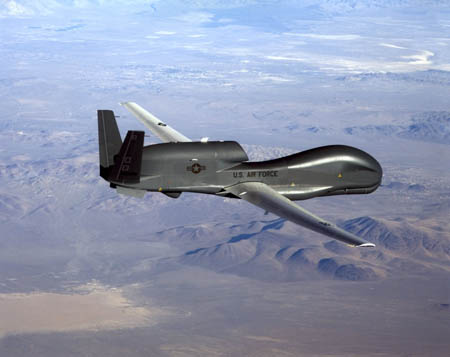
 The appetite for Air Force intelligence, surveillance, and reconnaissance products over the last 10 years has mushroomed an astonishing 3,500 percent, due mostly to operations in Southwest Asia—where a change in mindset has seen the Air Force transition from largely taking “snapshots” to one where it builds “patterns of life” by gathering and assimilating massive amounts of imagery, data, and video, said Brig. Gen. (select) Mark Westergren, director of plans, strategy, doctrine, and force development for the Air Staff’s ISR shop. Speaking at a Washington D.C. defense industry conference Thursday, Westergren said a key to this enterprise is the Air Force’s fleet of remotely piloted vehicles. The Air Staff is scrutinizing some key requirements for the modernization of its MQ-1 Predators, MQ-9 Reapers, and RQ-4 Global Hawks in the years ahead—as well as the next generation of RPAs. Specifically, USAF wants to boost its long-endurance RPA performance but without sinking inordinate amounts of money.
Seven F-22 Raptor pilots have recently been awarded one of the military’s highest decorations for their actions during operations in the Middle East. Six of the pilots were decorated with the Distinguished Flying Cross for their role in Operation Midnight Hammer, the June 2025 strikes against Iranian nuclear facilities.