
U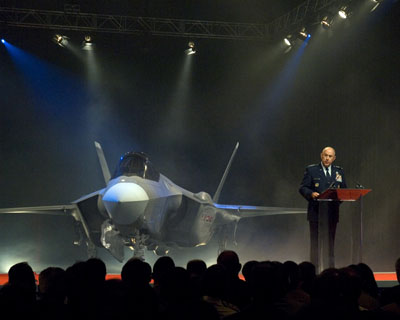 nit cost for the Joint Strike Fighter could increase by $12 million to $16 million if the Pentagon has to slow production in the early years, Air Force Brig. Gen. Charles Davis, the program manager, told Reuters news service. Senate appropriators have just opted to delay production by a year, and that early delay, says Davis, would hurt most. Some lawmakers believe the program is running too concurrently, essentially as a buy-before-test enterprise. However, Davis said earlier this summer that he has never seen a program at this stage with such mature development. This issue is not closed, with House and Senate lawmakers due to iron out differences in their versions of the 2007 defense spending bill, but both chambers appear willing to slow the F-35. (Read more about the state of the JSF program in our September article “Struggling for Altitude.”)
Air Force depots are not typically meant for quick repair jobs, but during Operation Epic Fury, the service moved some of its stateside heavy maintenance capability forward to fix battle-damaged aircraft closer to the fight.
